








If you’ve spent any time researching cosmetic procedures, you’ve probably seen the term “board-certified” more times than you can count. It appears on websites, advertisements, and office walls throughout the Washington DC area and beyond. But here’s the problem: not all board certifications are created equal, and the difference between a board-certified plastic surgeon and someone who simply calls themselves a “cosmetic surgeon” can be profound.
Understanding what these terms actually mean could be one of the most important things you do before scheduling any aesthetic procedure.
The Credentials Gap Most Patients Don’t Know Exists
Here’s a fact that surprises many people: any licensed physician can legally perform cosmetic procedures and market themselves as a “cosmetic surgeon.” A doctor who completed residency training in family medicine, emergency medicine, or even psychiatry can take a weekend course, purchase the necessary equipment, and begin offering liposuction, injectables, or other aesthetic treatments the following Monday.
There is no specialty board for “cosmetic surgery” recognized by the American Board of Medical Specialties. The term itself is unregulated.
A board-certified plastic surgeon, by contrast, has completed a minimum of six years of surgical training after medical school—including a full general surgery residency followed by additional years specifically in plastic and reconstructive surgery. This training occurs at accredited institutions under the supervision of experienced surgeons and includes extensive work with complex reconstructive cases, not just cosmetic procedures.
The difference isn’t subtle. It’s the difference between someone who learned a specific technique and someone who understands the full spectrum of surgical principles, anatomical variations, complication management, and aesthetic judgment that only comes from years of rigorous training.
What Board Certification Actually Requires
To become certified by the American Board of Plastic Surgery—the only board recognized by the American Board of Medical Specialties for plastic surgery—a physician must complete several demanding steps:
- Medical School: Four years of medical education at an accredited institution
- General Surgery Training: At least three years of general surgery residency, building foundational surgical skills
- Plastic Surgery Residency: Two to three additional years of specialized training in plastic and reconstructive surgery at an accredited program
- Written and Oral Examinations: Rigorous testing demonstrating comprehensive knowledge and clinical judgment
- Ongoing Education: Continuing medical education requirements to maintain certification
This pathway typically takes 13 to 15 years of education and training after high school. There are no shortcuts.
Why Training Depth Matters for Your Results
You might wonder whether all this training really translates to better outcomes for a straightforward procedure like liposuction or breast augmentation. The evidence suggests it does—significantly.
Research published in plastic surgery journals has consistently shown that patients treated by board-certified plastic surgeons experience lower complication rates and higher satisfaction scores. A study examining cosmetic surgery outcomes found that procedures performed by non-plastic surgeons had complication rates several times higher than those performed by board-certified plastic surgeons.
The reasons are multifaceted. Extensive training develops:
- Anatomical Expertise: Understanding the precise location of nerves, blood vessels, and tissue planes that varies between patients
- Complication Recognition: Identifying problems early when intervention is most effective
- Surgical Judgment: Knowing when not to operate, or when a different approach would produce better results
- Aesthetic Vision: Developing an eye for proportion, balance, and natural-appearing results
Perhaps most importantly, board-certified plastic surgeons have seen what can go wrong. They’ve managed complications during training. They understand the full range of possible outcomes—not just the best-case scenarios.
The Rise of Minimally Invasive Options Has Created Confusion
The explosion of minimally invasive body contouring procedures has complicated the landscape further. National chains and medspas now offer various trademarked fat-reduction procedures, often performed by practitioners with minimal surgical training.
While some of these treatments can produce results for appropriate candidates, the marketing often obscures who is actually performing your procedure and what their qualifications are. The person doing your consultation may not be the person doing your treatment. The supervising physician may have limited relevant training.
This matters because even “minimally invasive” procedures carry real risks. Liposuction—whether traditional, laser-assisted, or using other energy devices—is still surgery. Complications including contour irregularities, fluid collections, infections, and nerve damage can occur. When they do, you want someone with the training to recognize and manage them.
Questions to Ask Before Any Procedure
Before scheduling a cosmetic procedure with any provider, consider asking these questions:
- Are you certified by the American Board of Plastic Surgery? This is the gold standard. Other certifications may sound similar but represent different (often lesser) training requirements.
- Where did you complete your plastic surgery residency? Training at a reputable, accredited program matters.
- How many of these specific procedures have you performed? Volume correlates with outcomes in surgery.
- Who will actually perform my procedure? Ensure the qualified surgeon—not a physician assistant or nurse—will be doing the work.
- What happens if I have a complication? Board-certified plastic surgeons have the training to manage complications themselves, rather than sending you to an emergency room.
- Can I see before-and-after photos of your actual patients? Results should demonstrate consistent quality across many cases.
Don’t be shy about asking these questions. Any reputable surgeon will welcome them. If a provider seems defensive or evasive, consider that a warning sign.
When a Surgeon Says No
Interestingly, one sign of a truly qualified plastic surgeon is their willingness to tell you that you don’t need a procedure—or that a particular procedure isn’t right for you.
This happens more often than you might expect. Patients come in concerned about aging, seeking extensive facial surgery, only to learn that their skin quality is excellent and they’d be better served by non-surgical maintenance. Others request aggressive liposuction when their anatomy suggests a tummy tuck would produce far superior results.
The ability—and willingness—to have these honest conversations reflects both ethical practice and clinical judgment. A surgeon who recommends against an unnecessary procedure is prioritizing your outcome over their revenue. That’s the kind of provider you want.
Experience in the Washington DC Area
Patients in Northern Virginia, Maryland, and the greater Washington DC region have access to many qualified plastic surgeons. The area’s proximity to academic medical centers and its educated, discerning population has attracted talented practitioners.
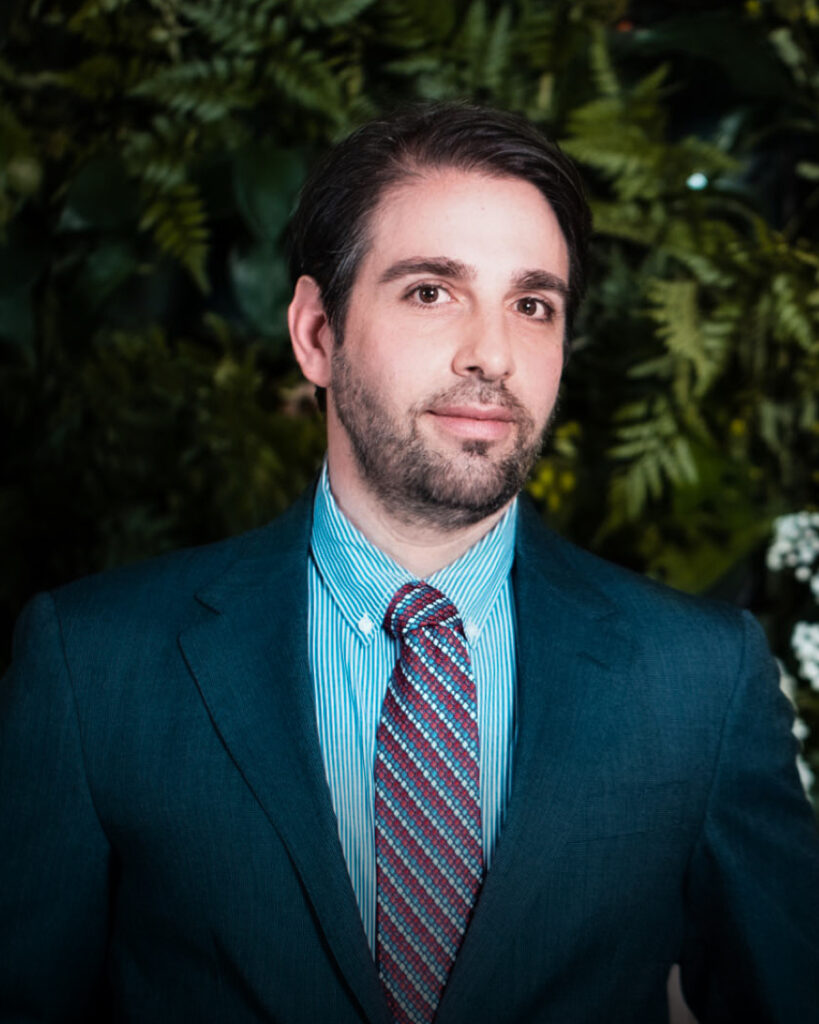
Dr. Marwan Khalifeh at DC Cosmetics exemplifies the credentials and experience patients should seek. Board-certified by the American Board of Plastic Surgery, Dr. Khalifeh completed his plastic surgery training at the Johns Hopkins University School of Medicine—consistently ranked among the nation’s top programs. He subsequently served as Assistant Professor and Co-Director of the Cosmetic Surgery Education Program at Johns Hopkins, training the next generation of plastic surgeons.
With over 5,500 liposuction procedures performed since founding DC Cosmetics in 2006, Dr. Khalifeh brings both academic rigor and extensive clinical experience to every consultation. His research has focused specifically on safer outcomes and minimal scarring techniques—exactly the priorities that benefit patients. As a Lieutenant Commander in the U.S. Navy Reserves, he continues serving at Walter Reed National Military Medical Center, contributing his expertise to those who serve our country.
Schedule Your Consultation at DC Cosmetics
Your decision about cosmetic surgery is significant. It deserves the attention of a surgeon whose training, experience, and judgment match the importance of what you’re entrusting to them.
DC Cosmetics serves patients throughout McLean, Tysons Corner, Northern Virginia, Columbia, Maryland, and the greater Washington DC area. Contact us at (703) 543-9252 for Northern Virginia or (301) 244-0148 for Maryland to schedule your consultation with Dr. Khalifeh and discover what board-certified expertise can mean for your results.