







Tysons, VA|Columbia, MD The region's Premier Destination for Tummy Tuck Surgery
Johns Hopkins Trained | Double board certified plastic surgeon
Before & after photos
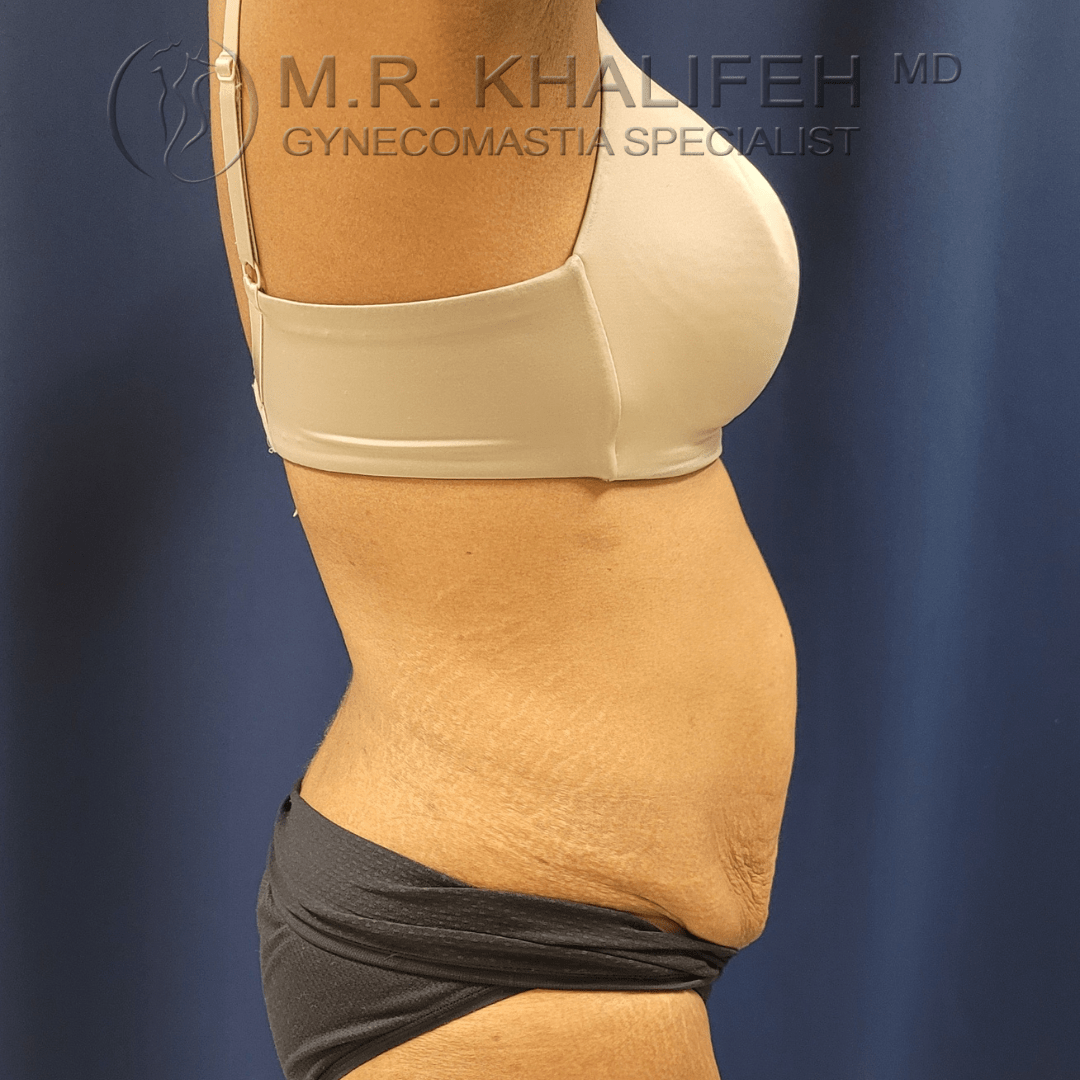
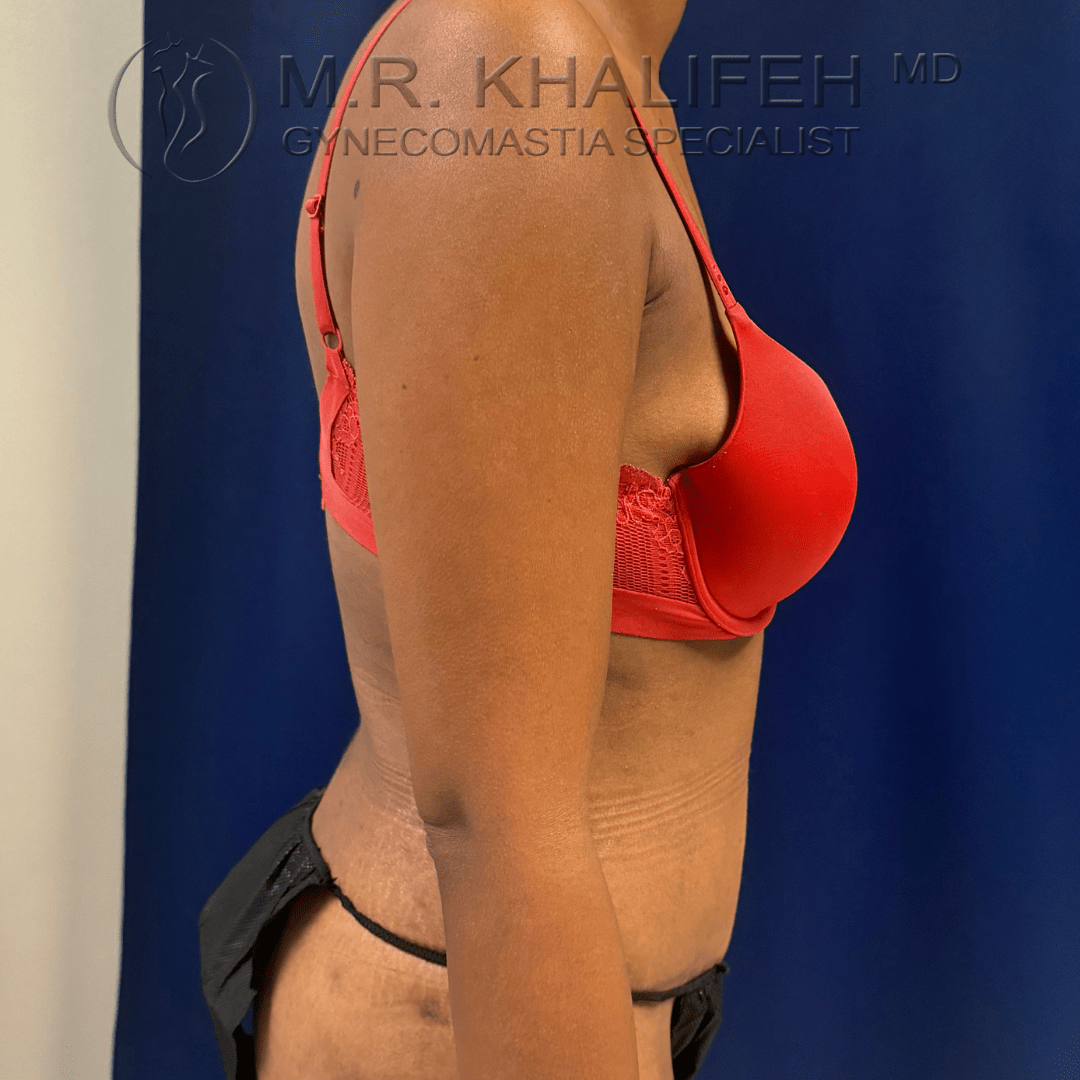
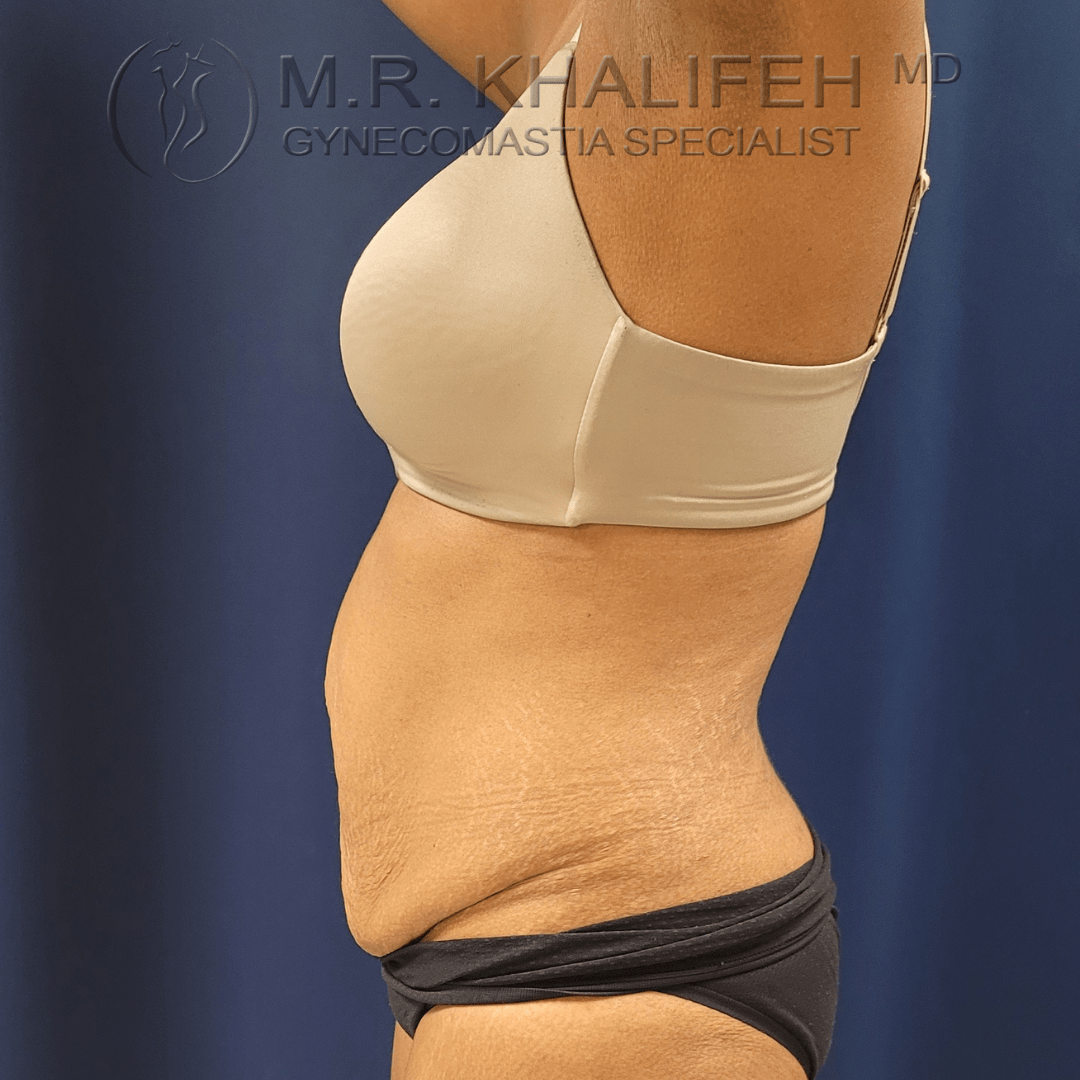
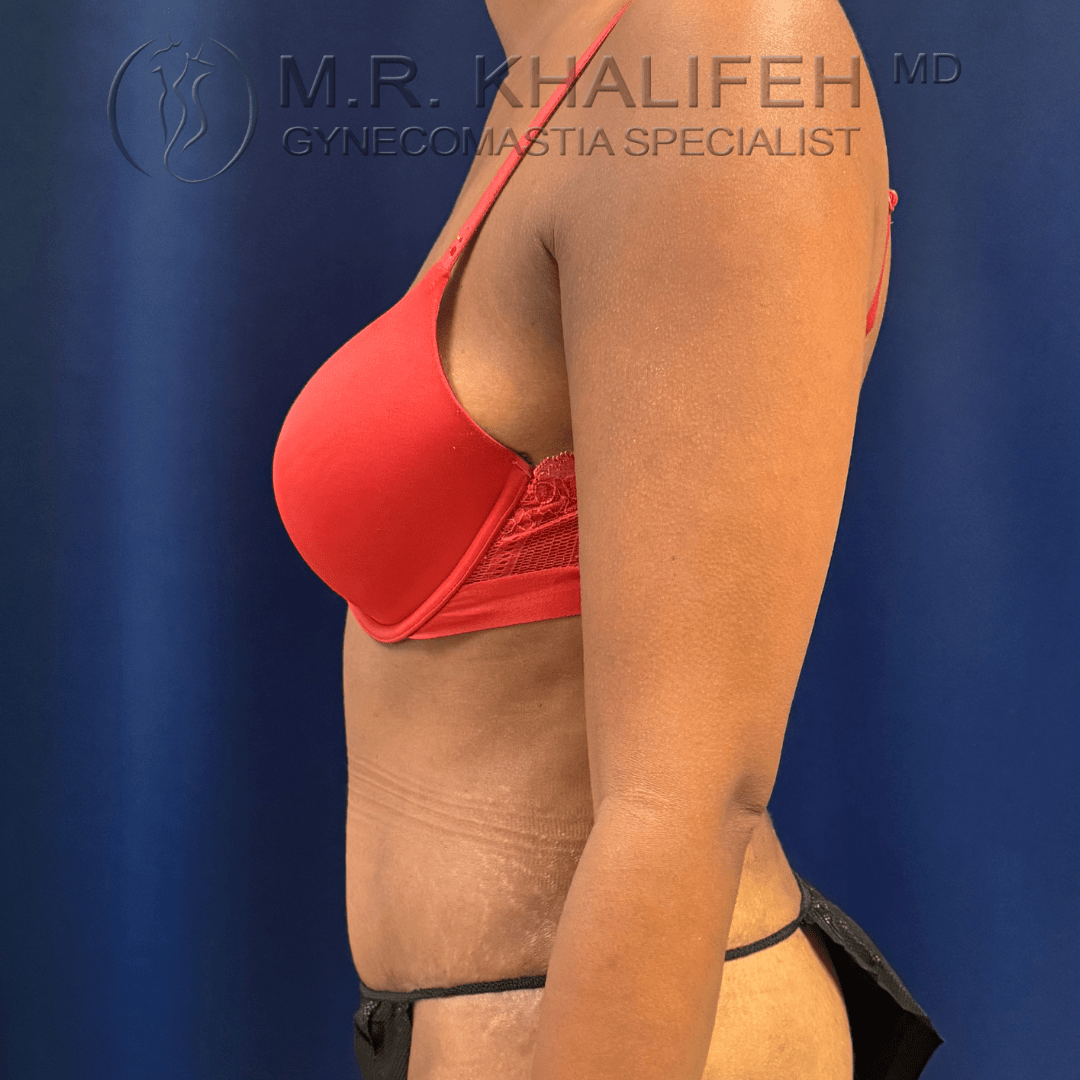
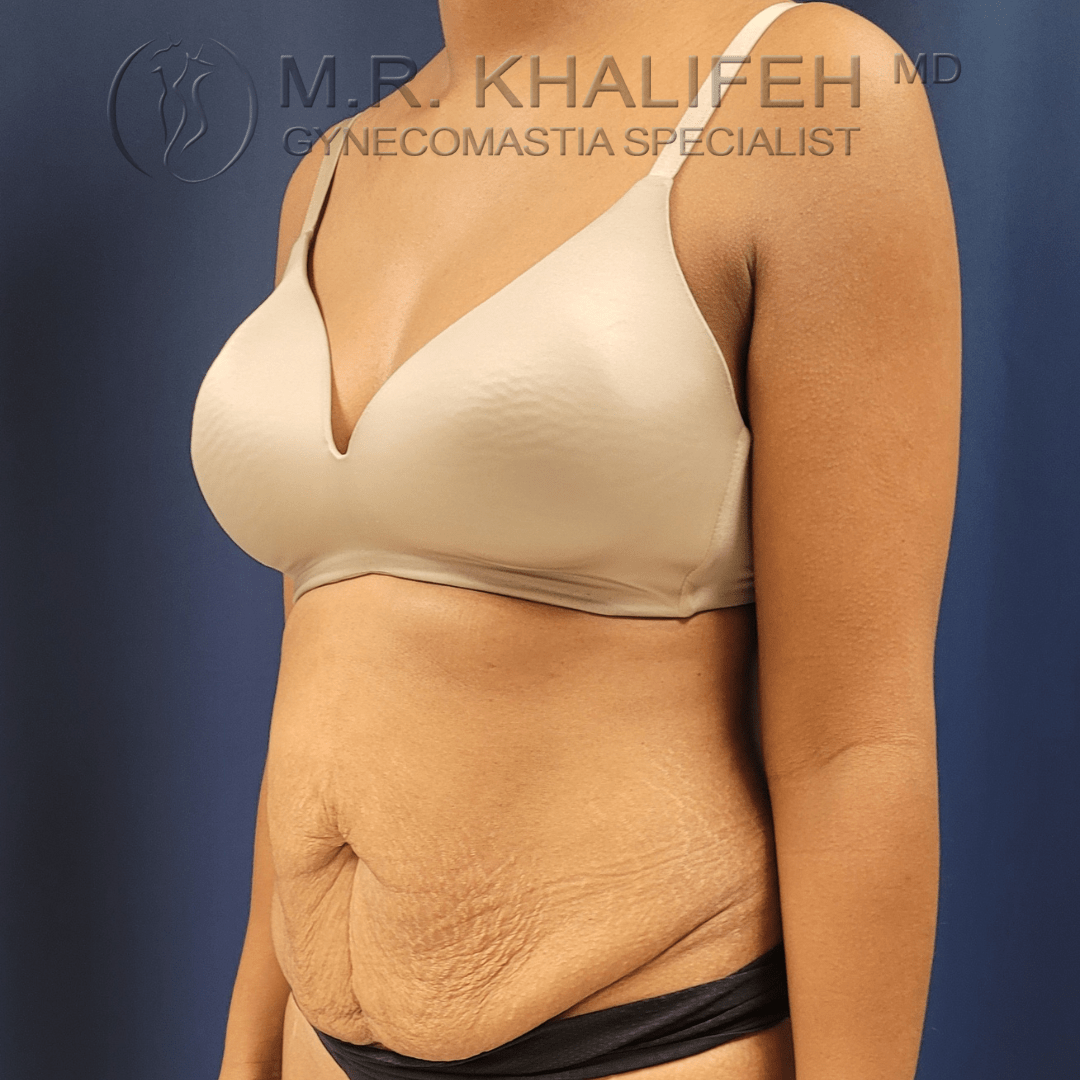
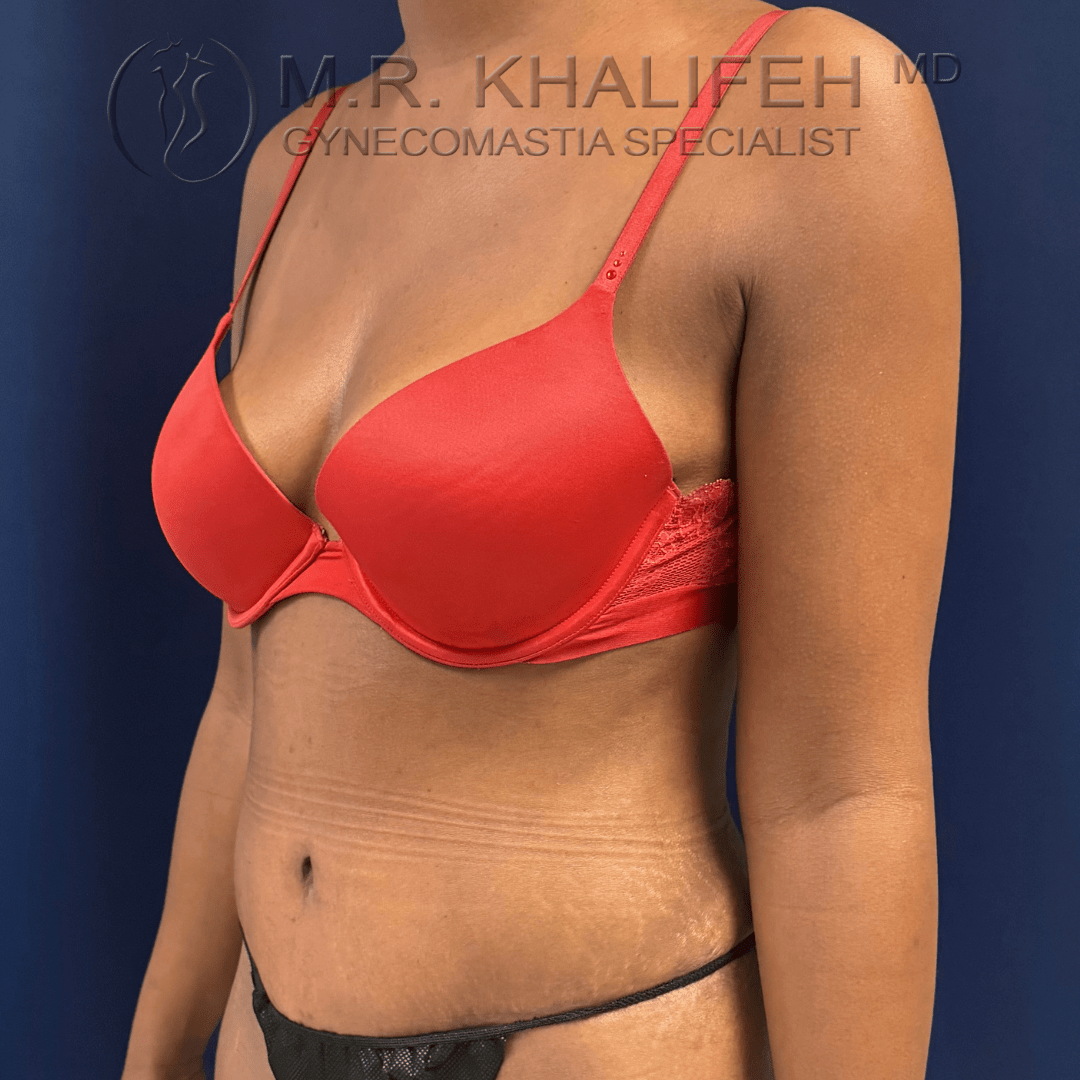
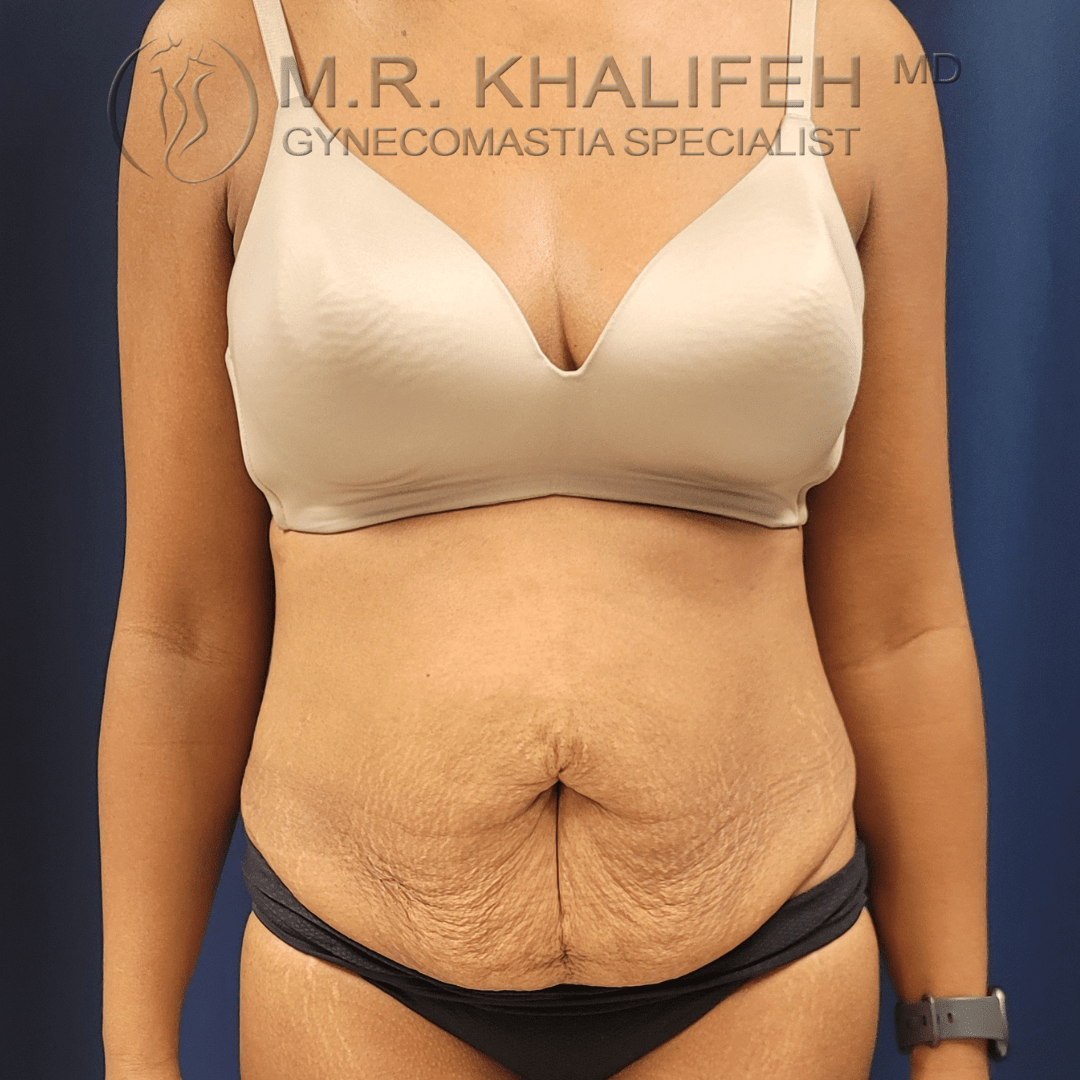
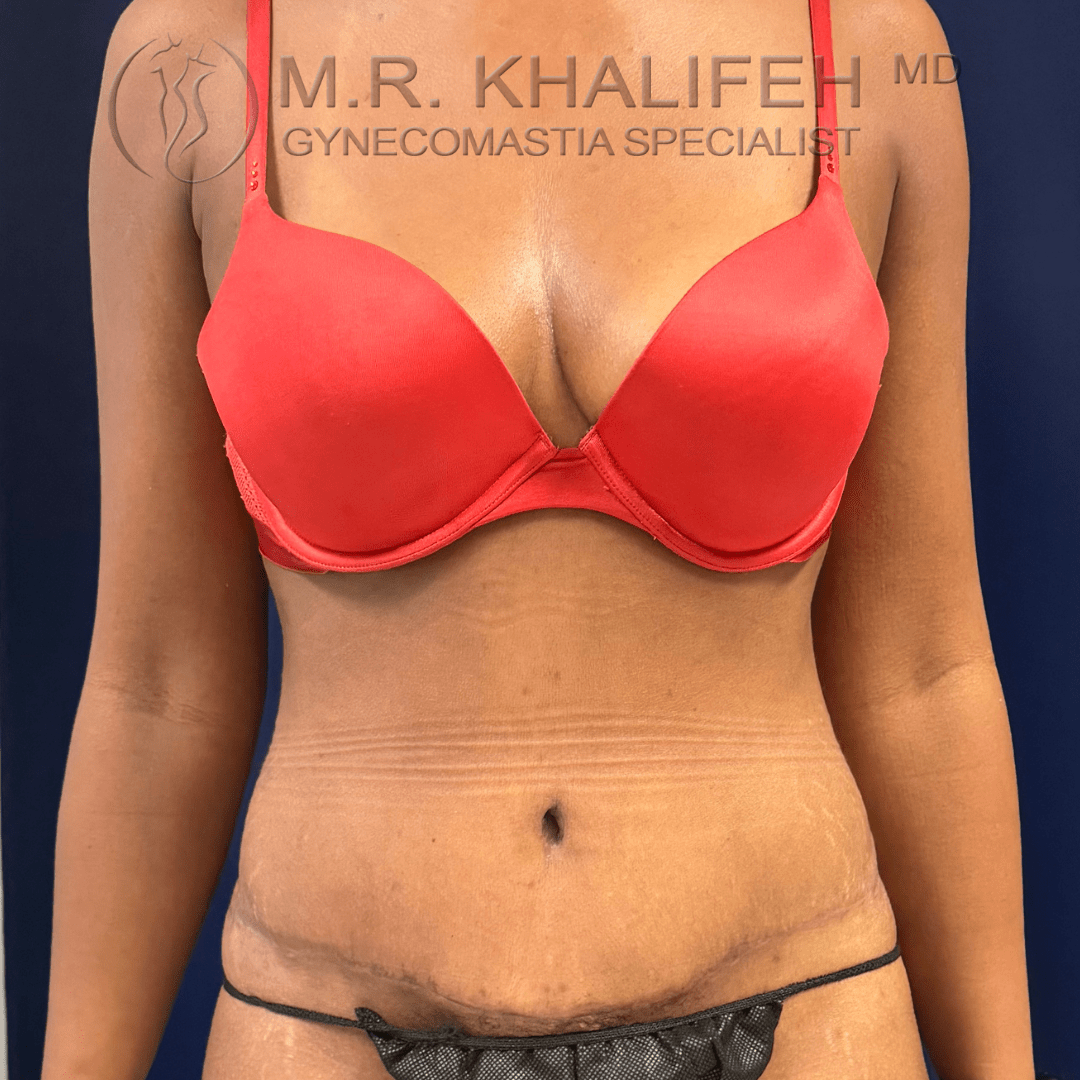
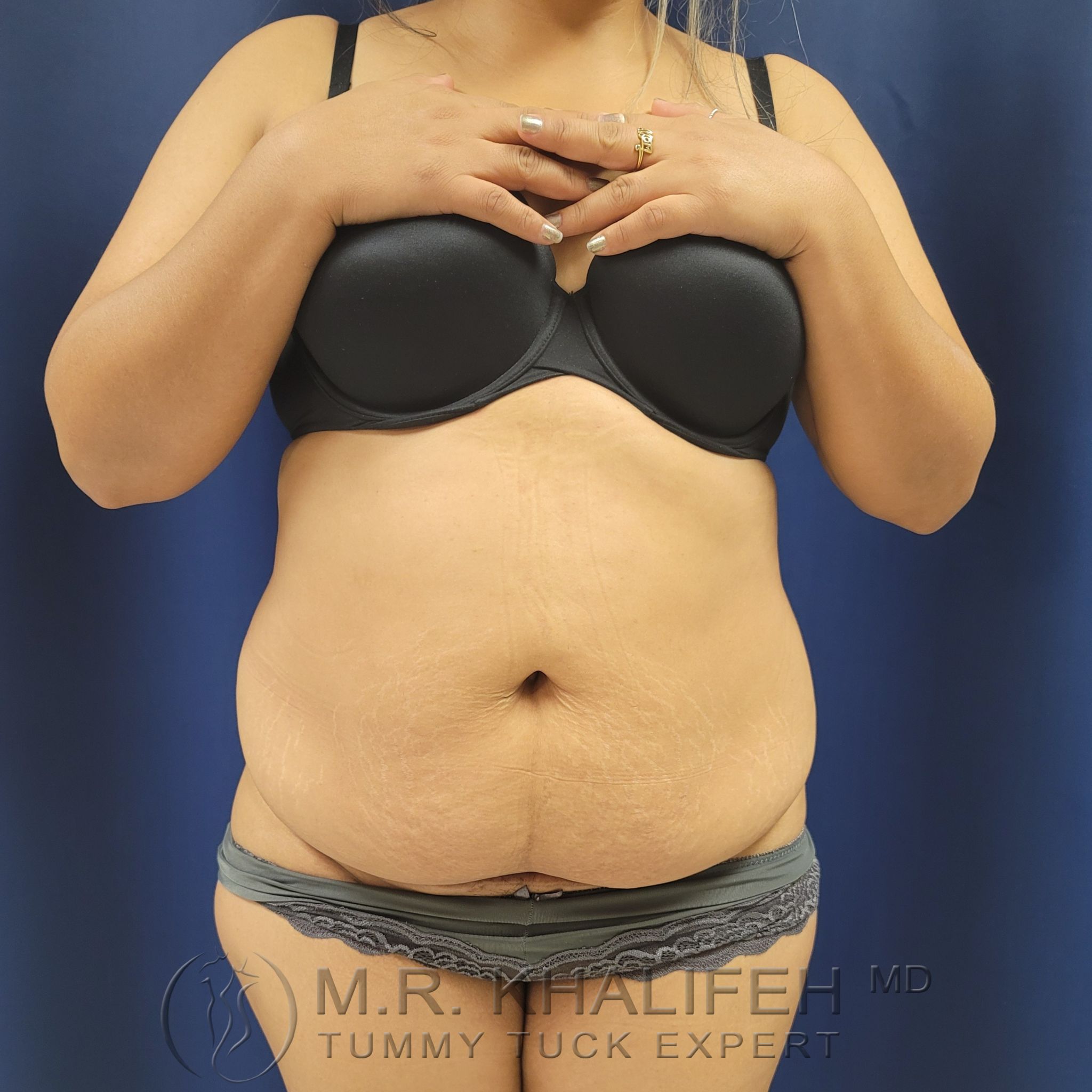
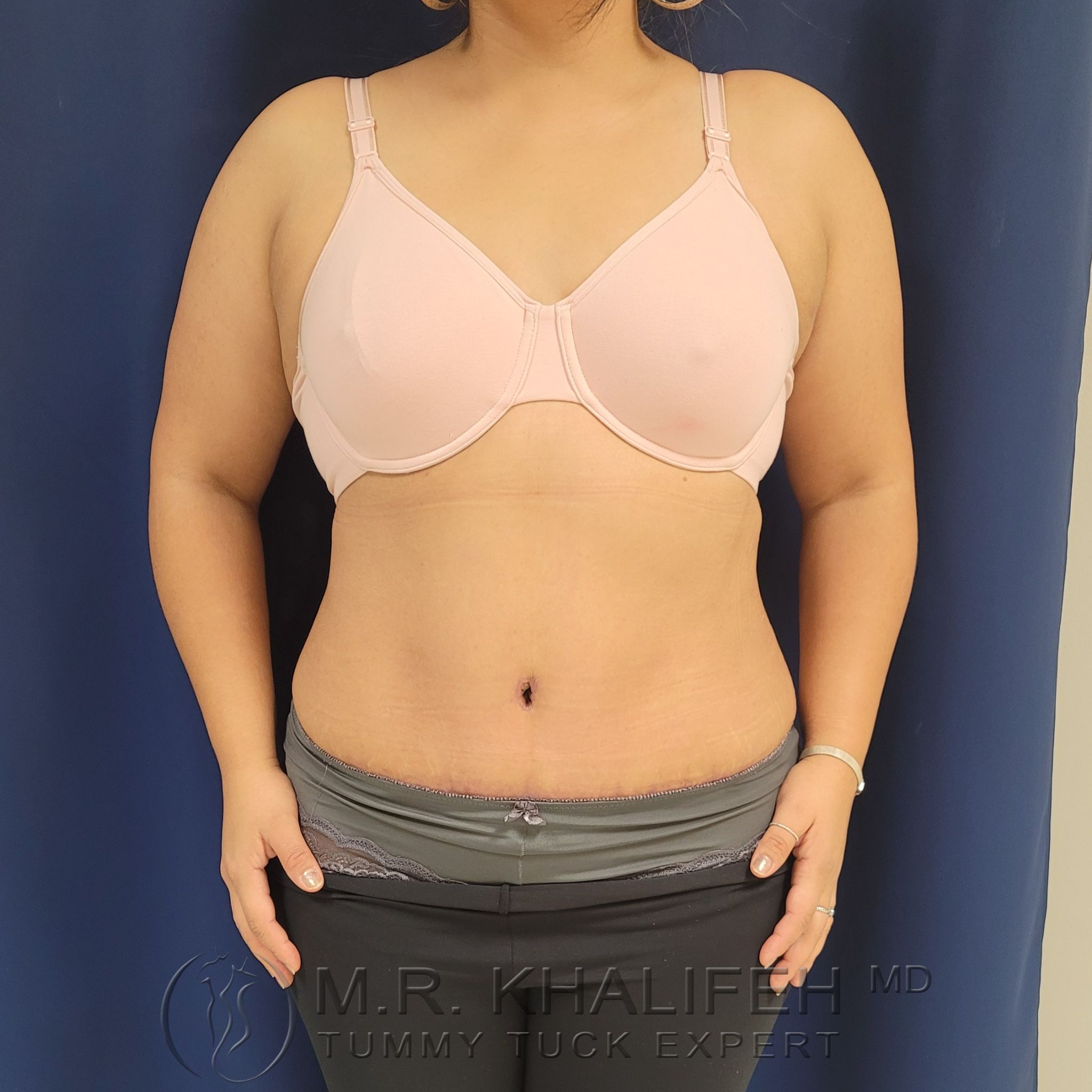
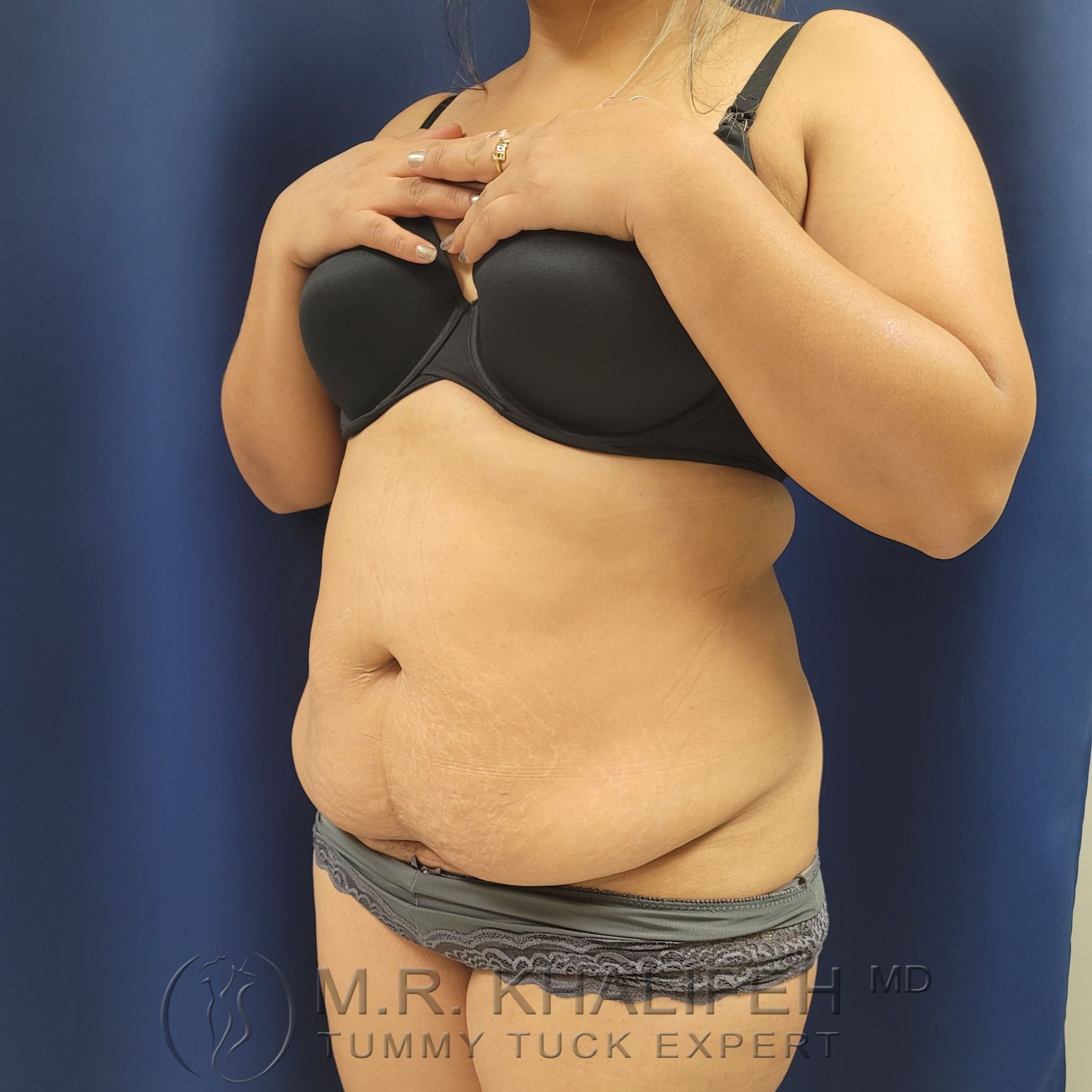
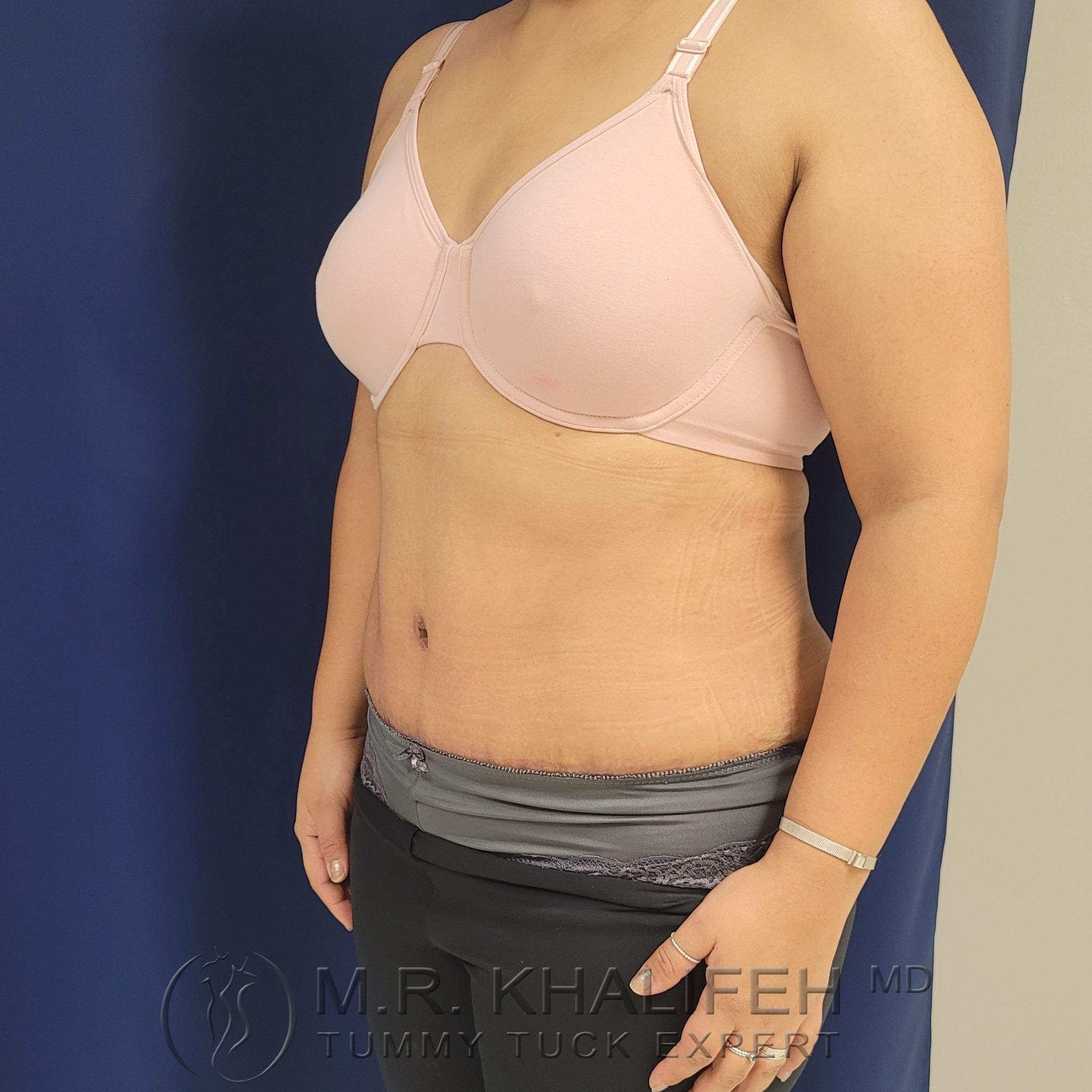
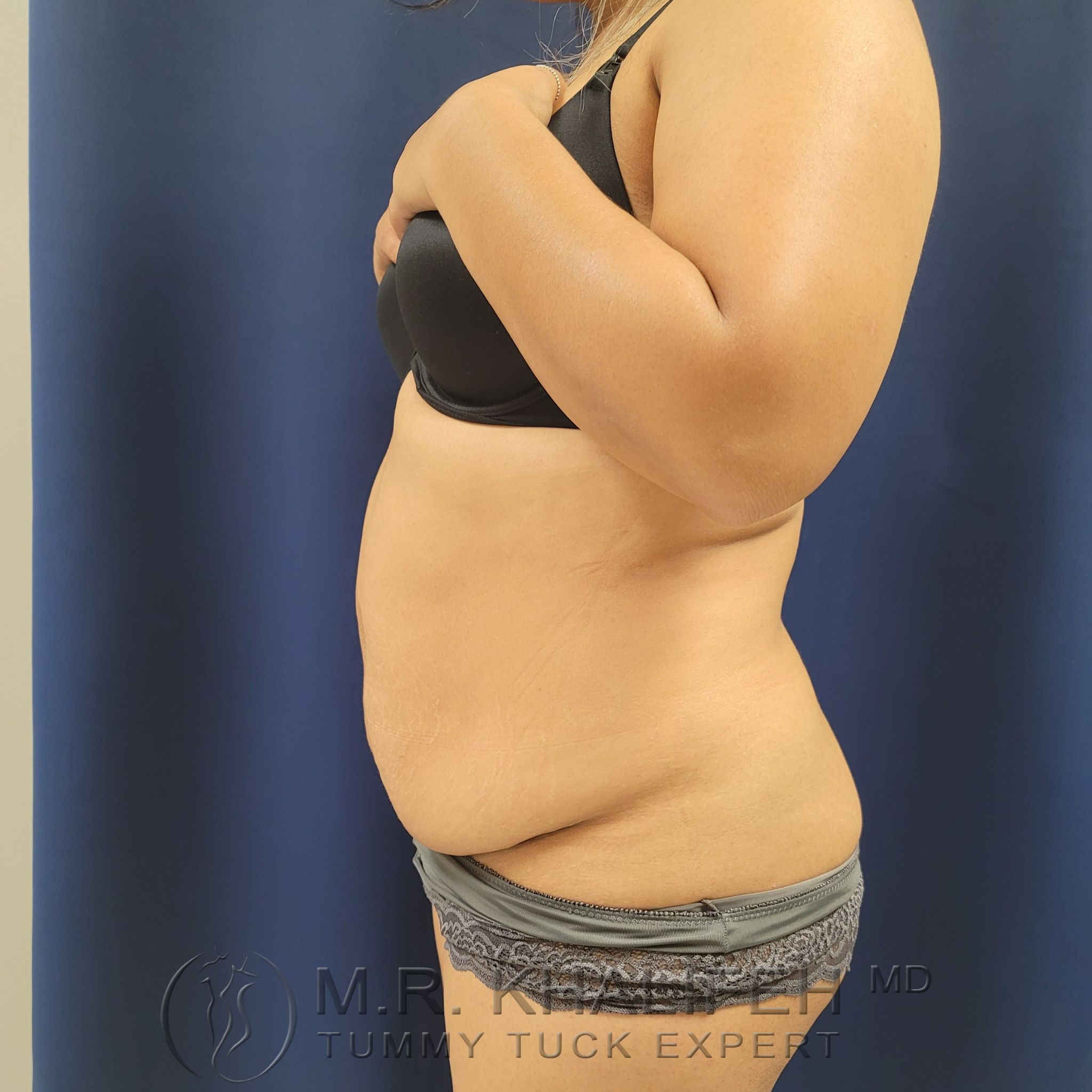

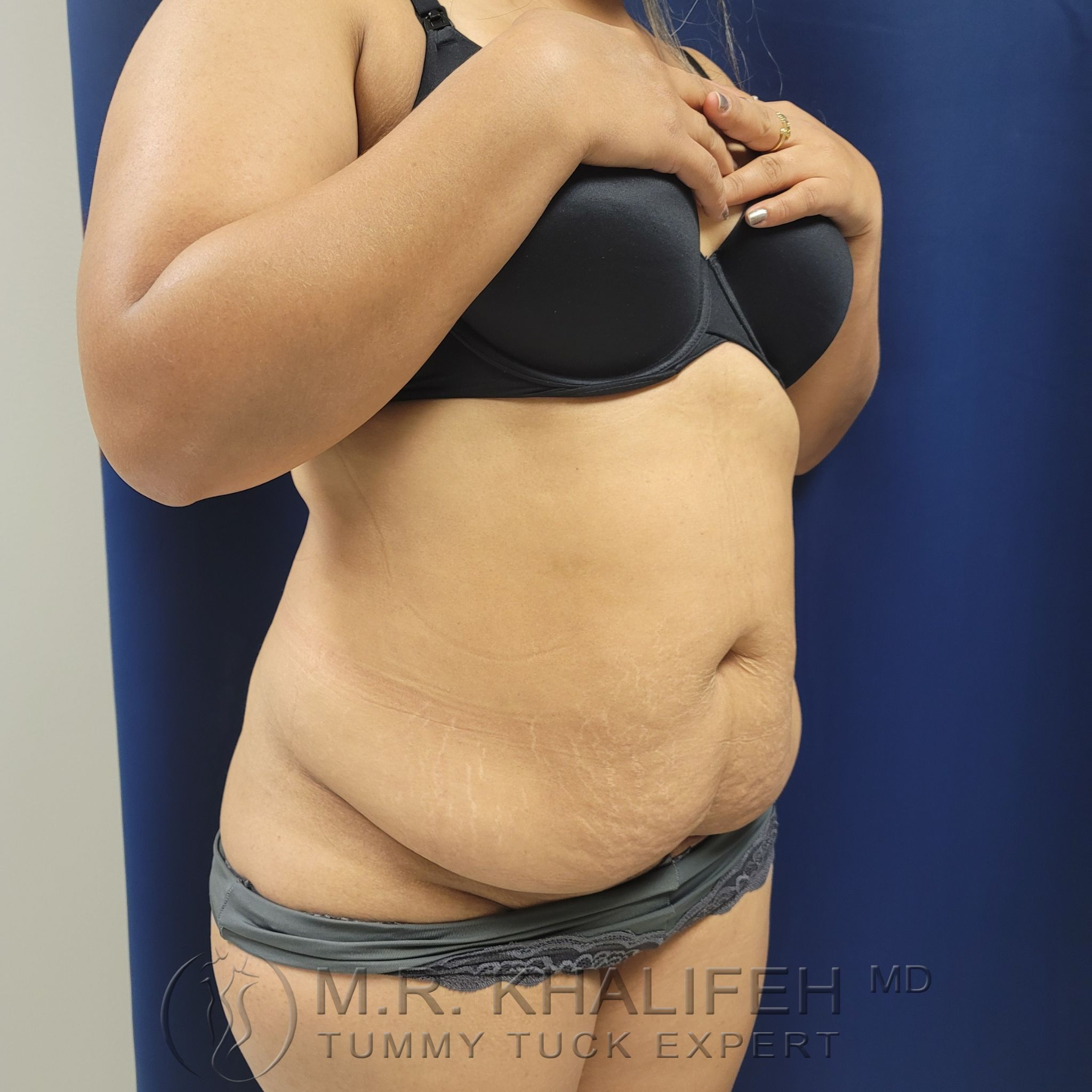
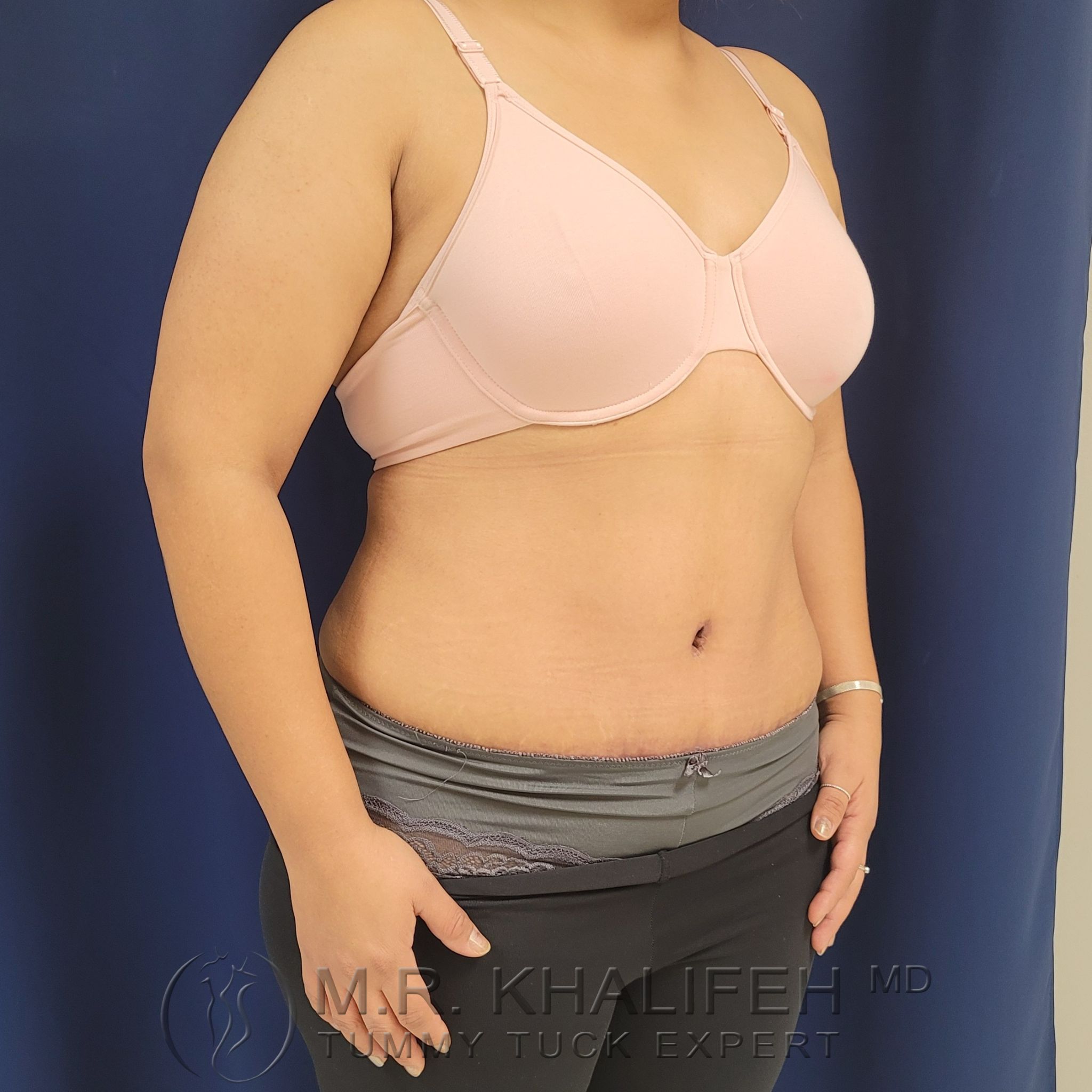
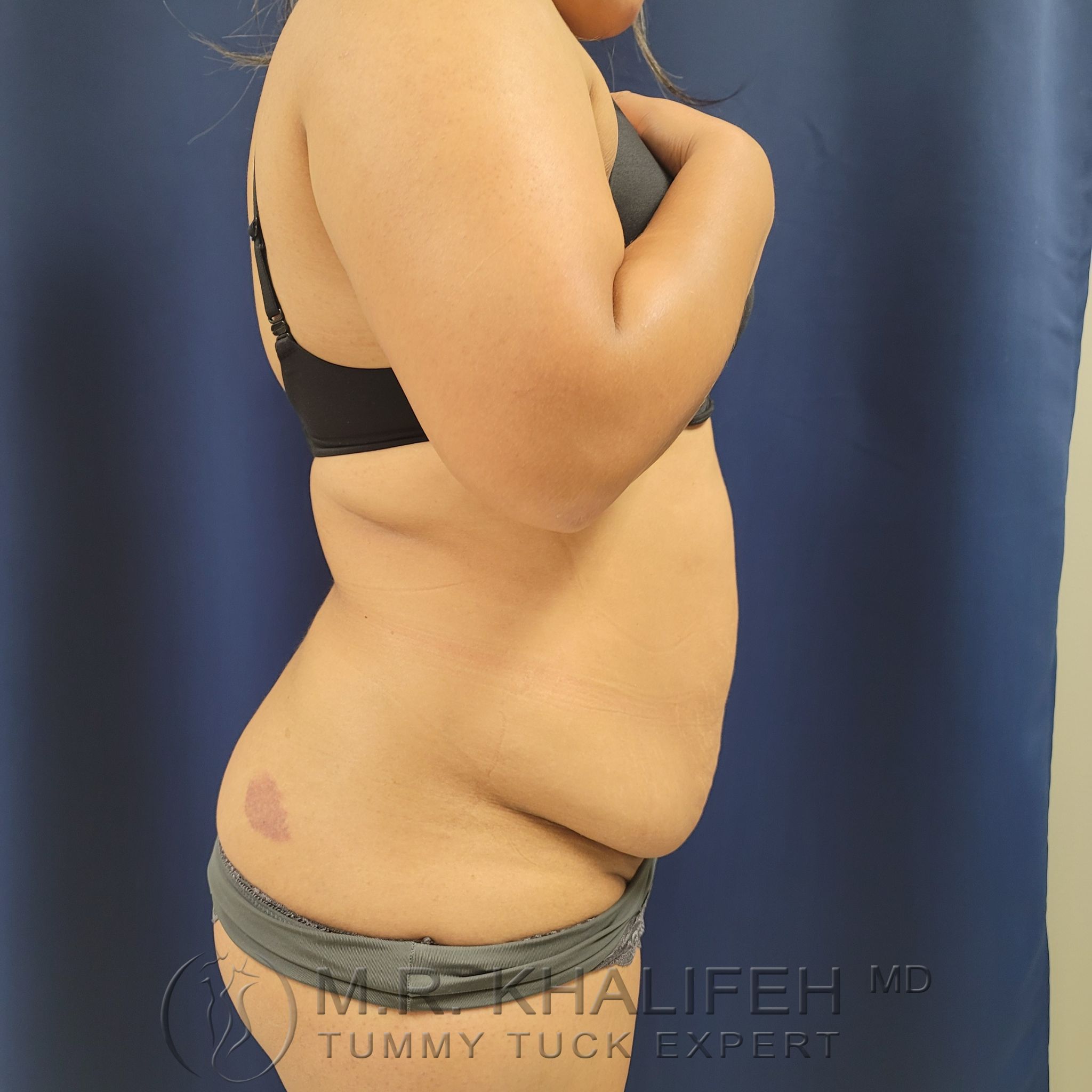

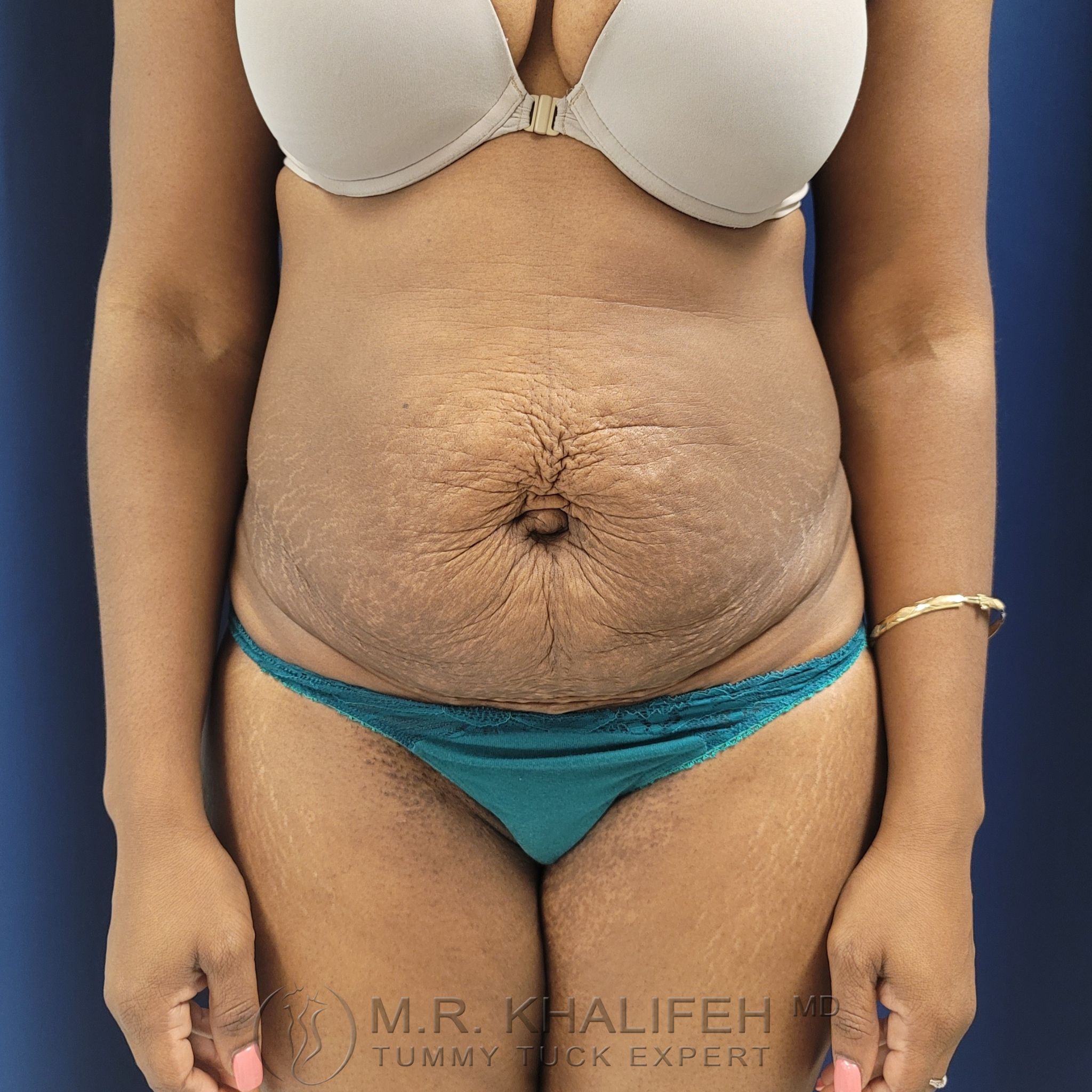
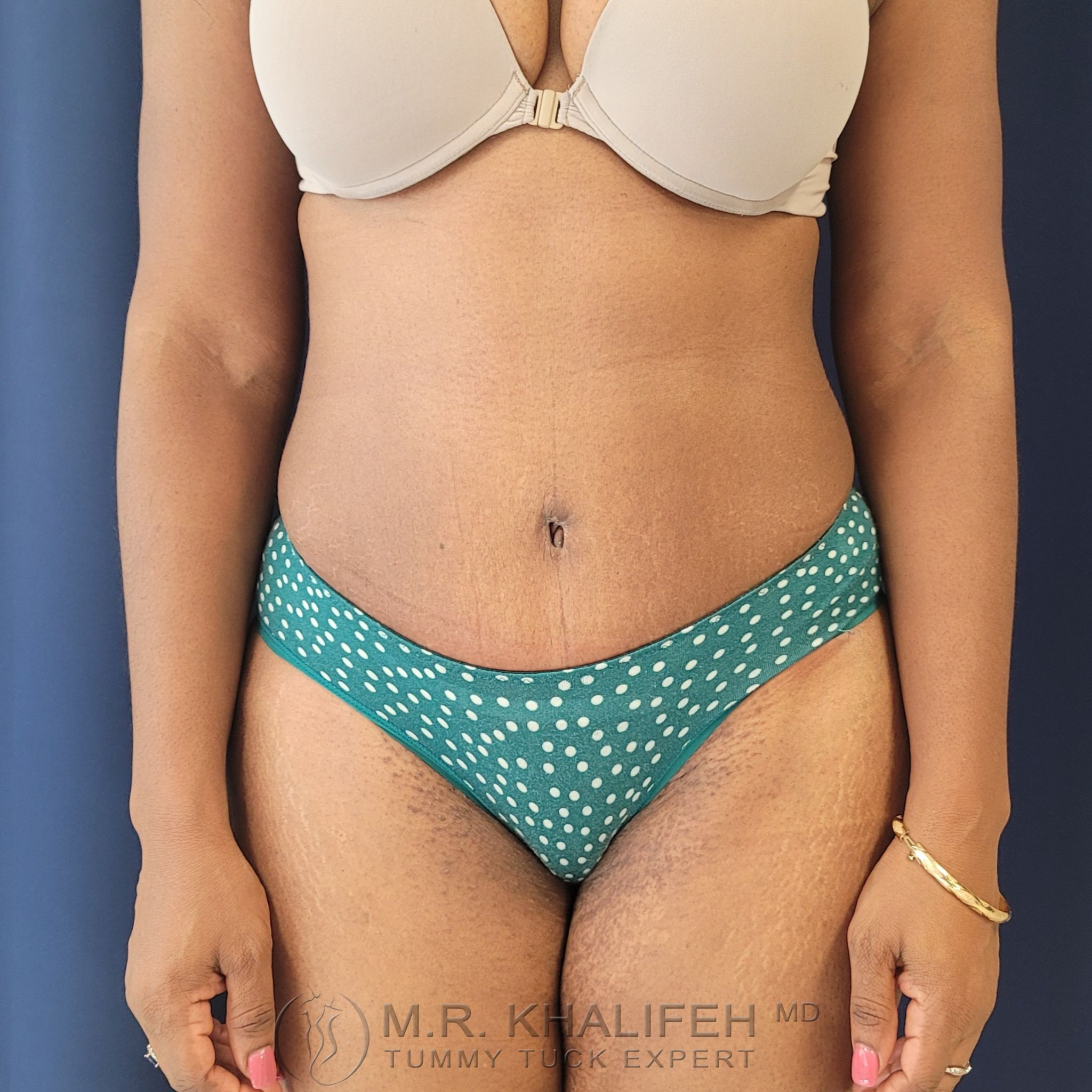
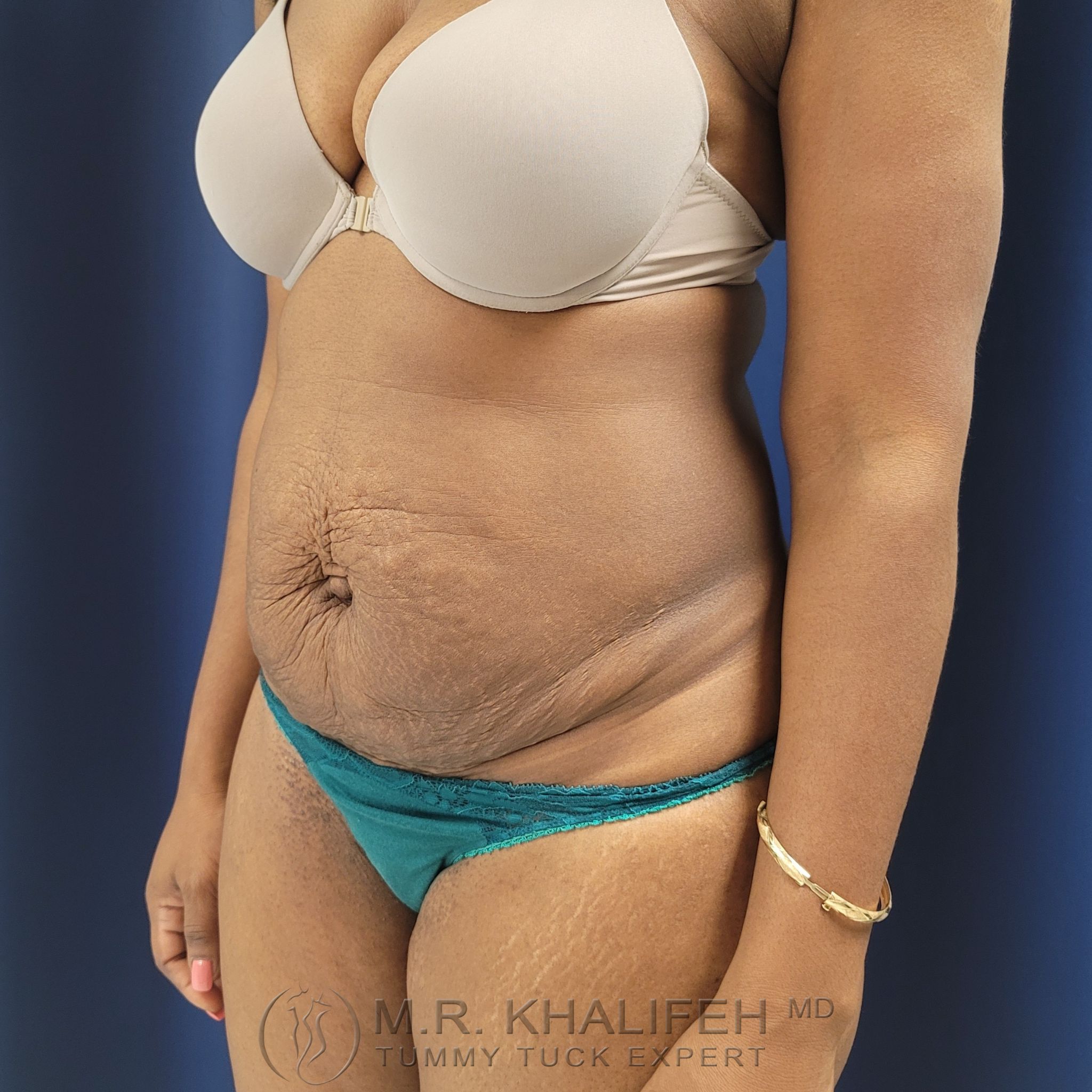
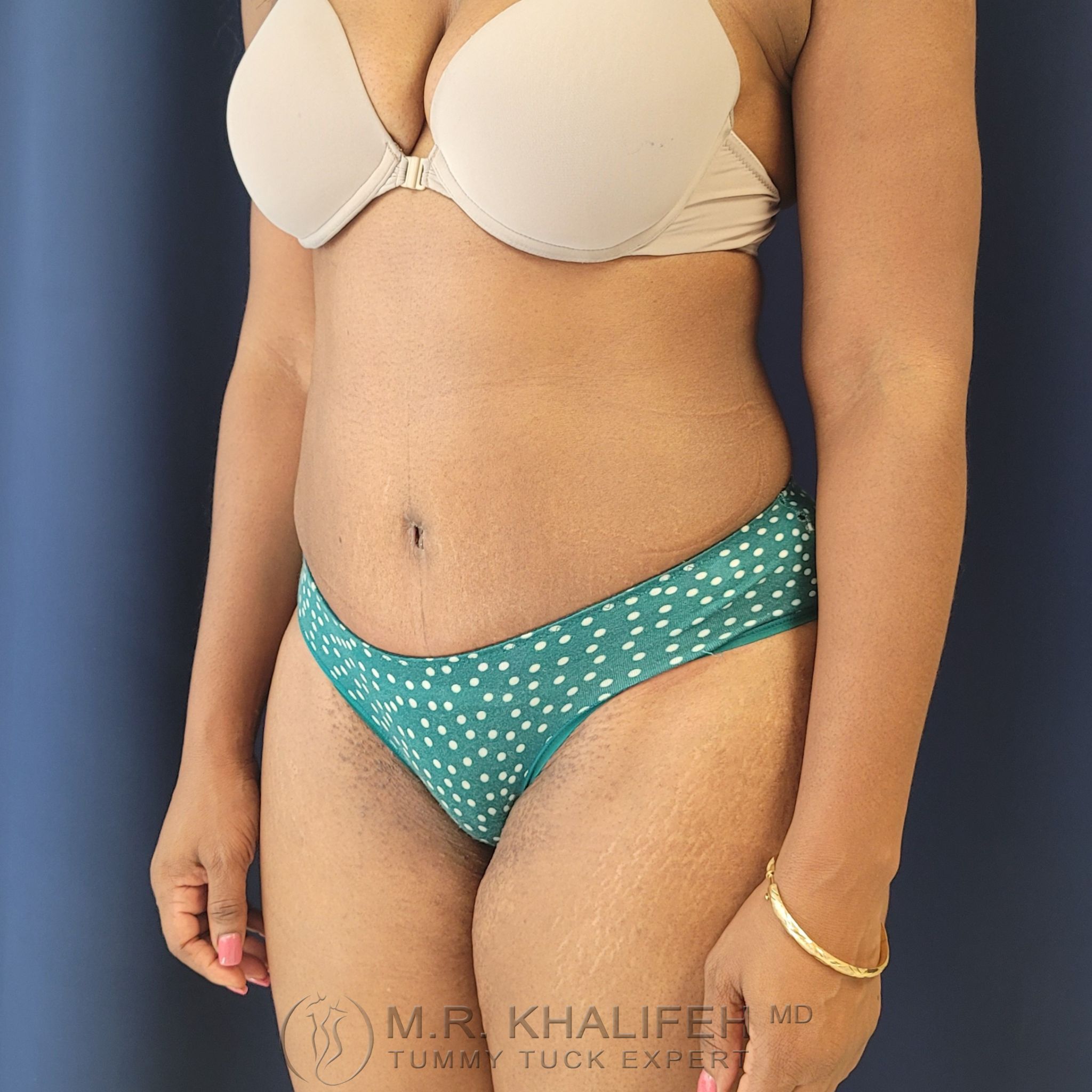
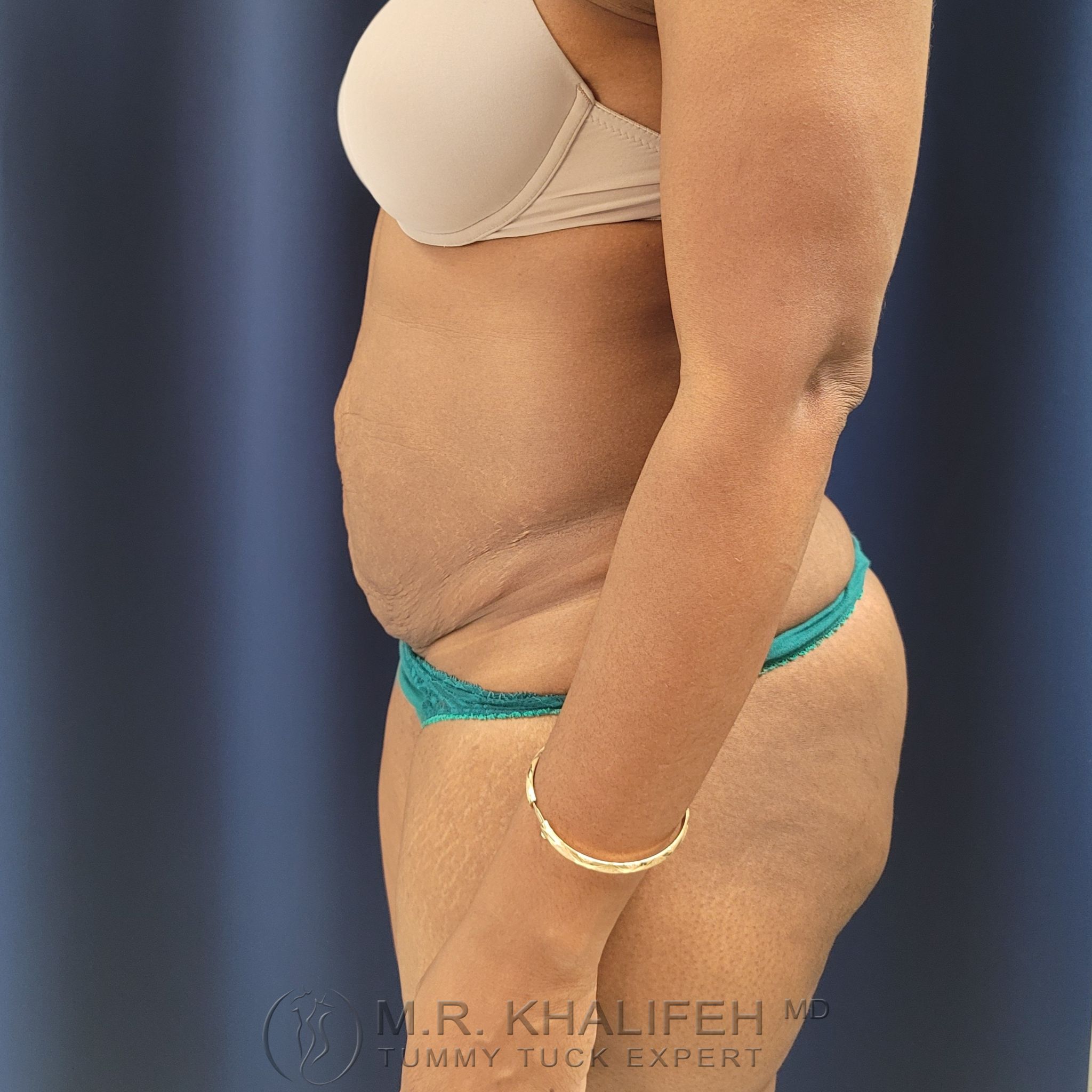
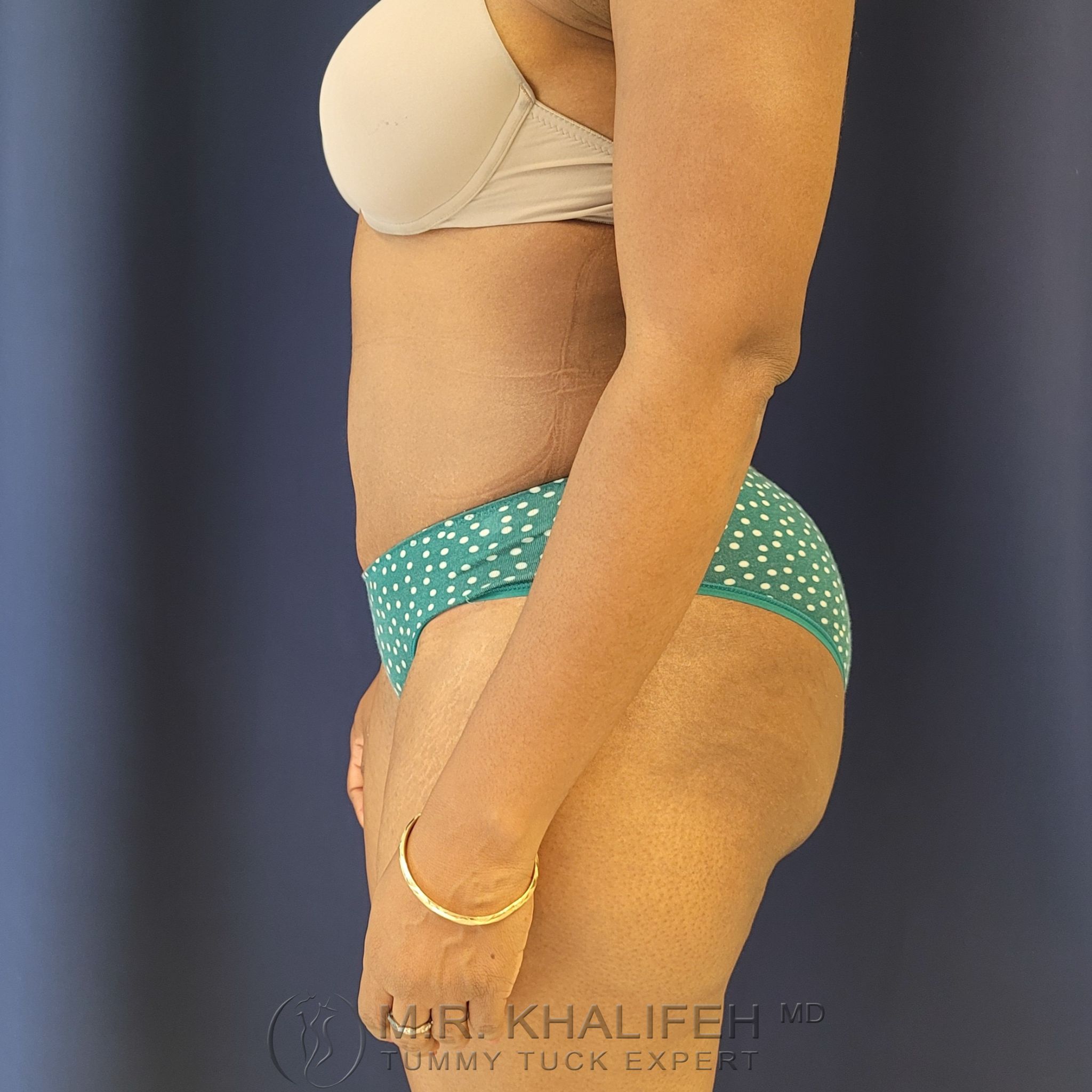
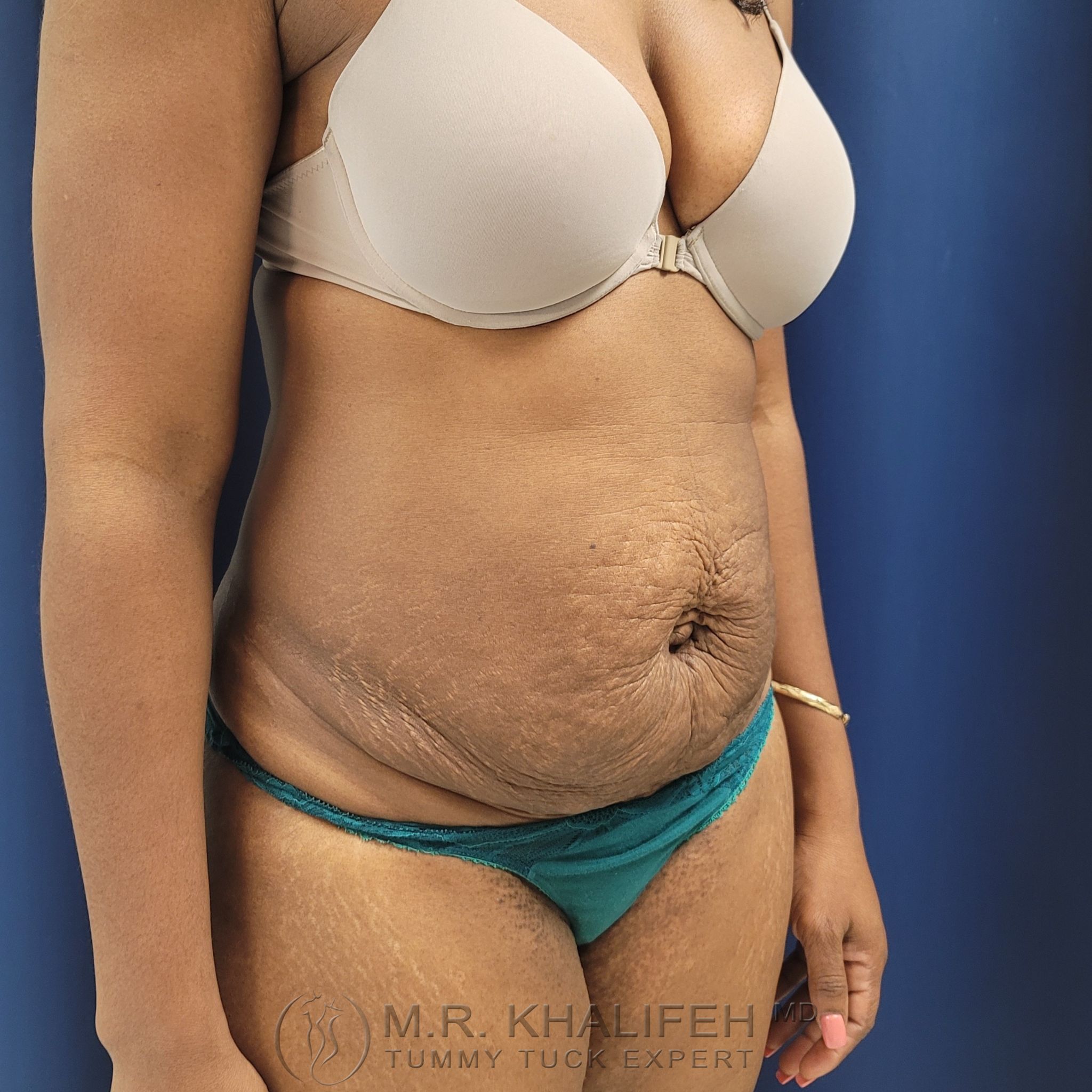
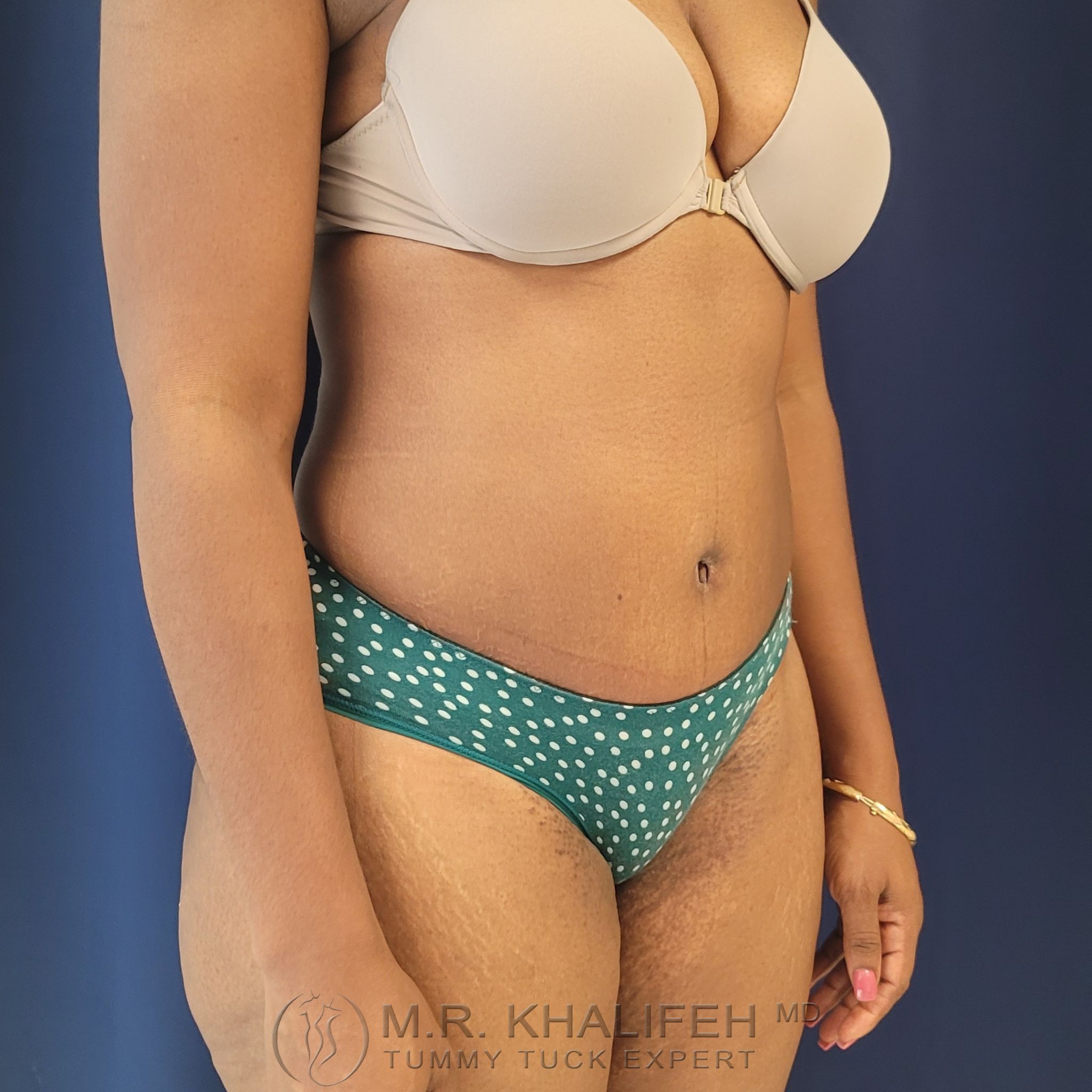
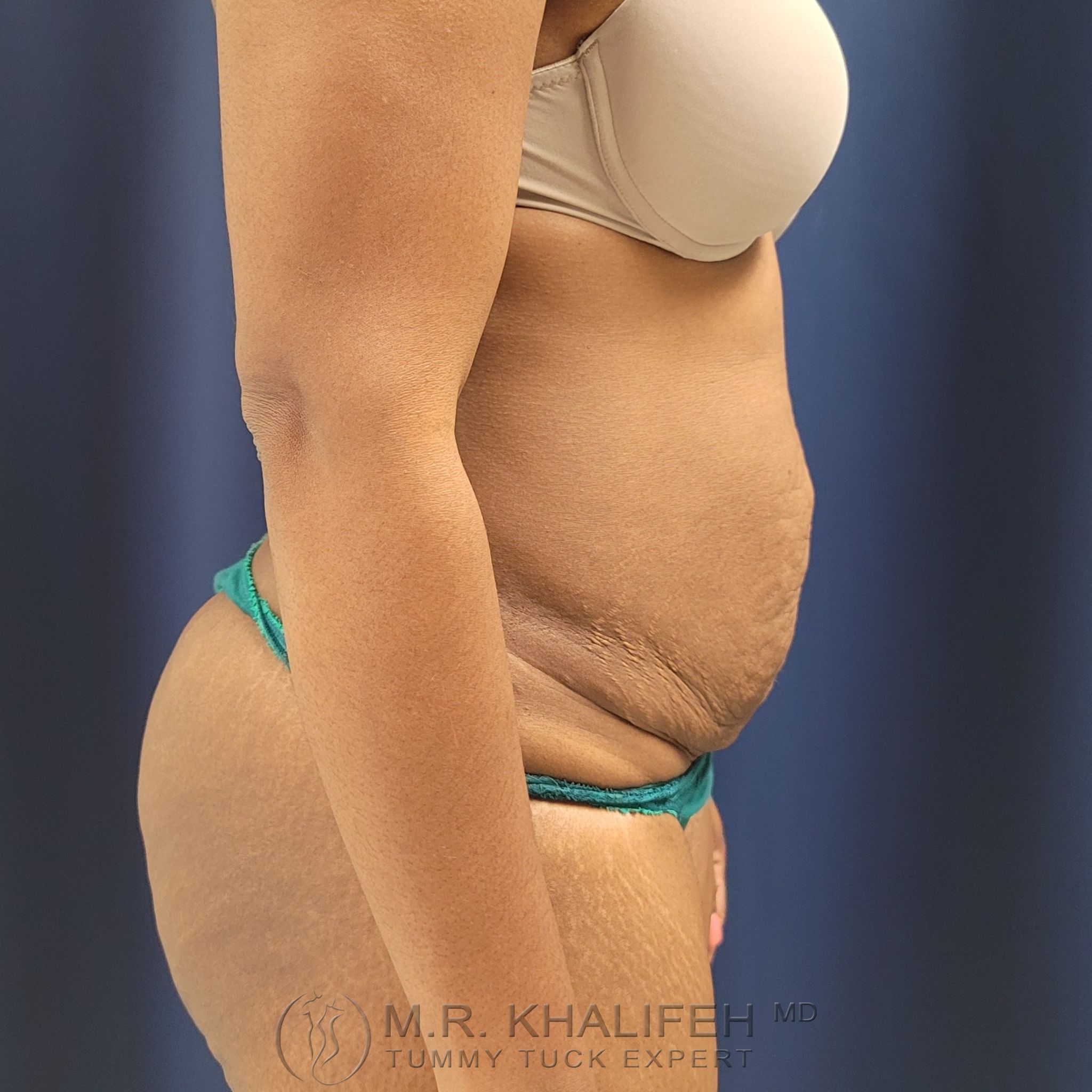
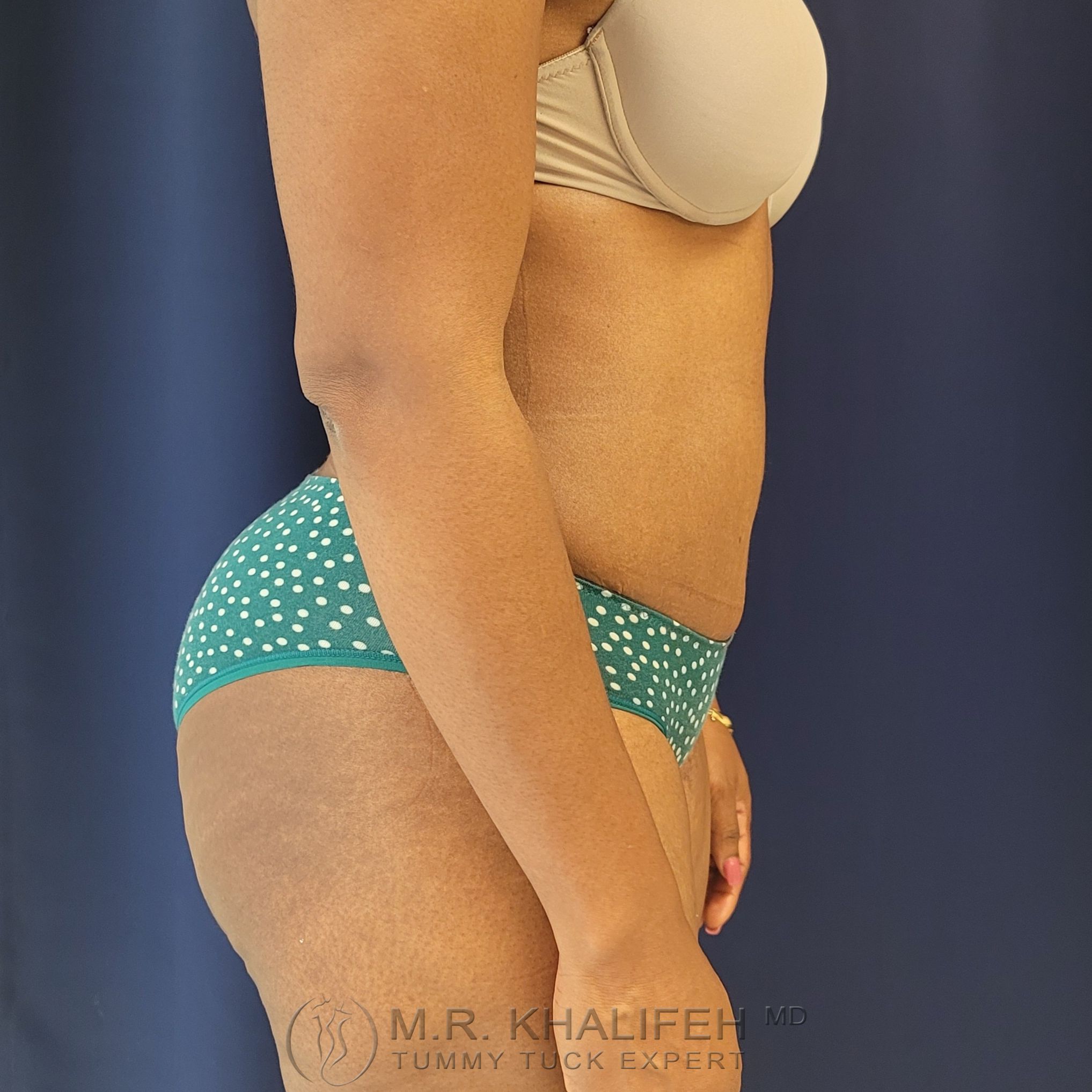
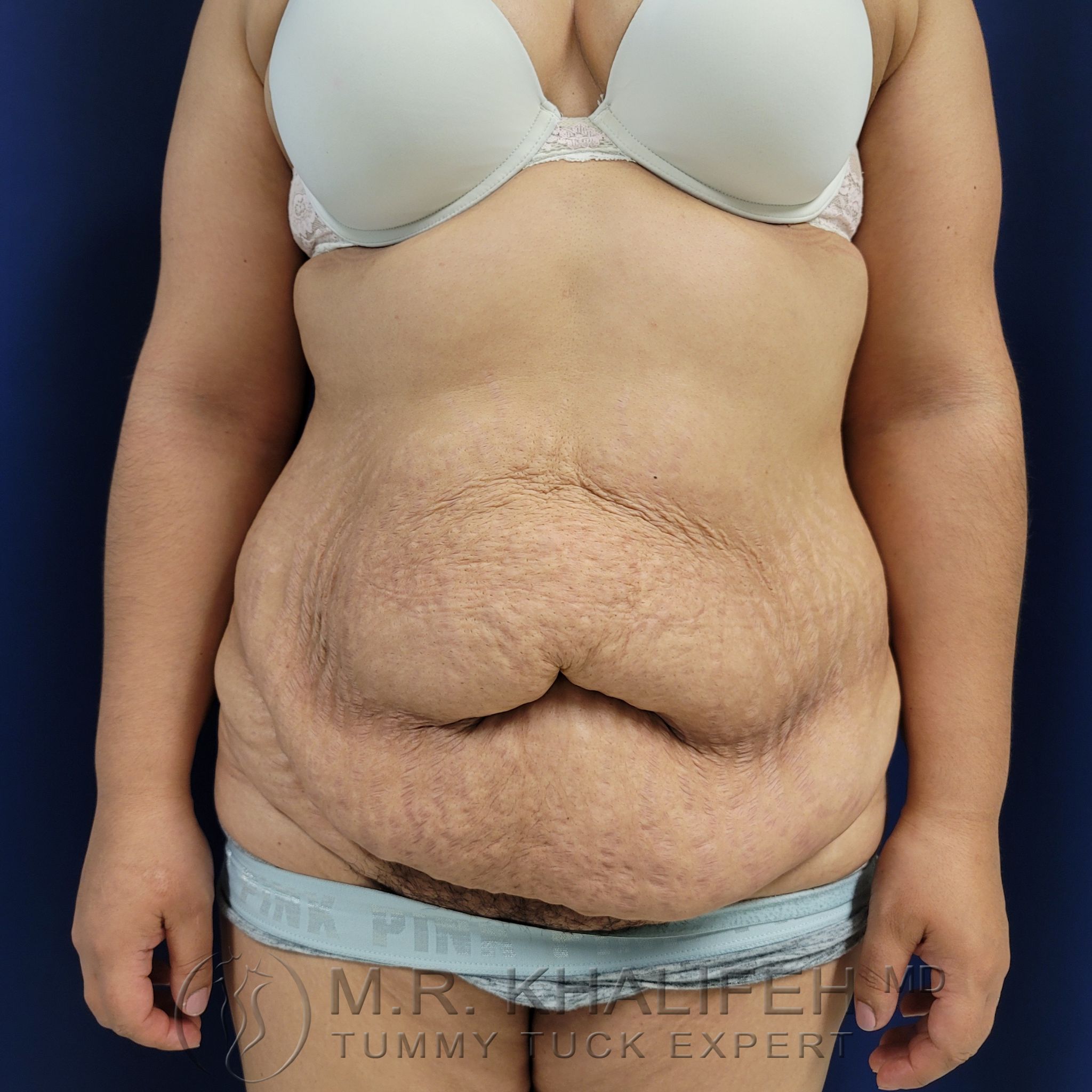
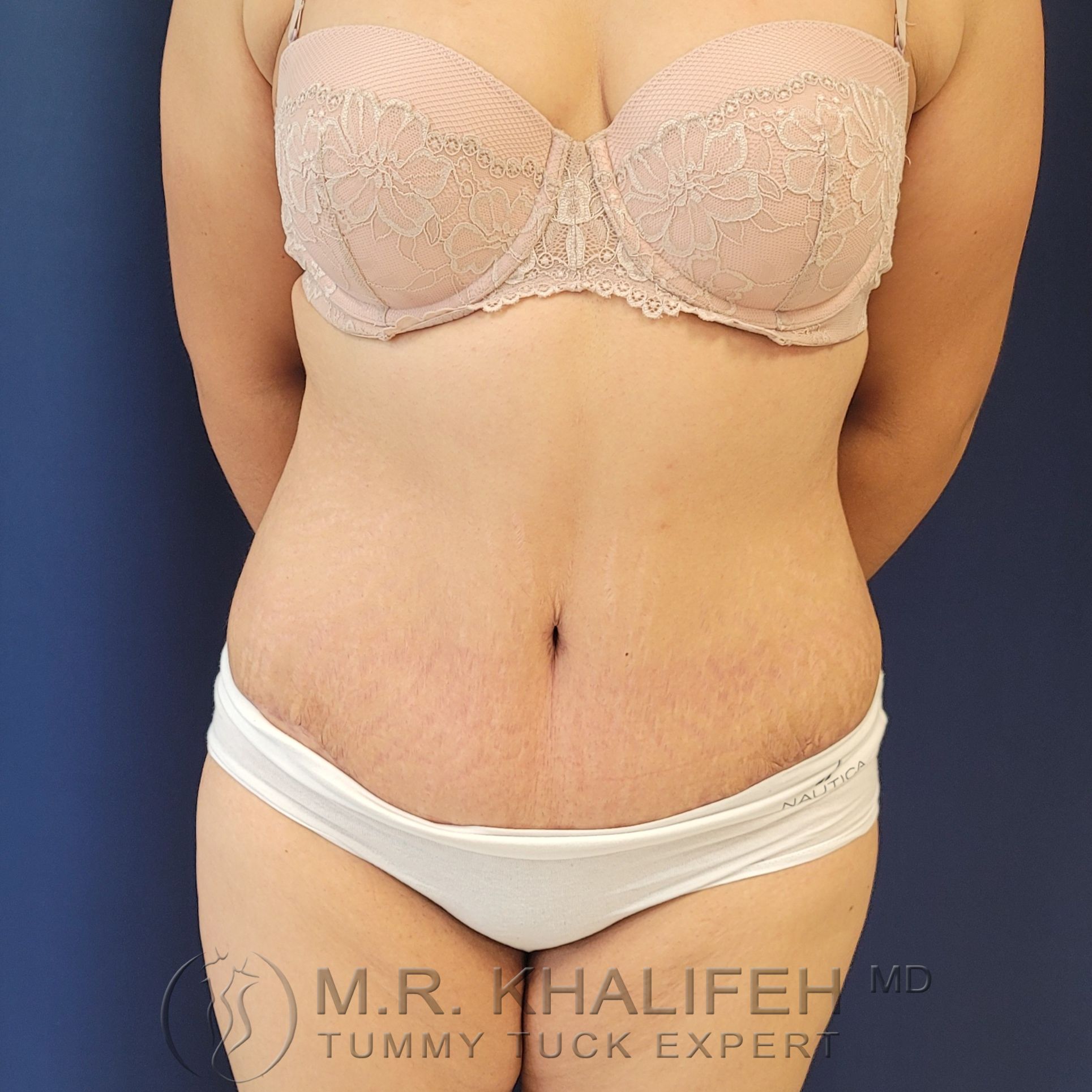
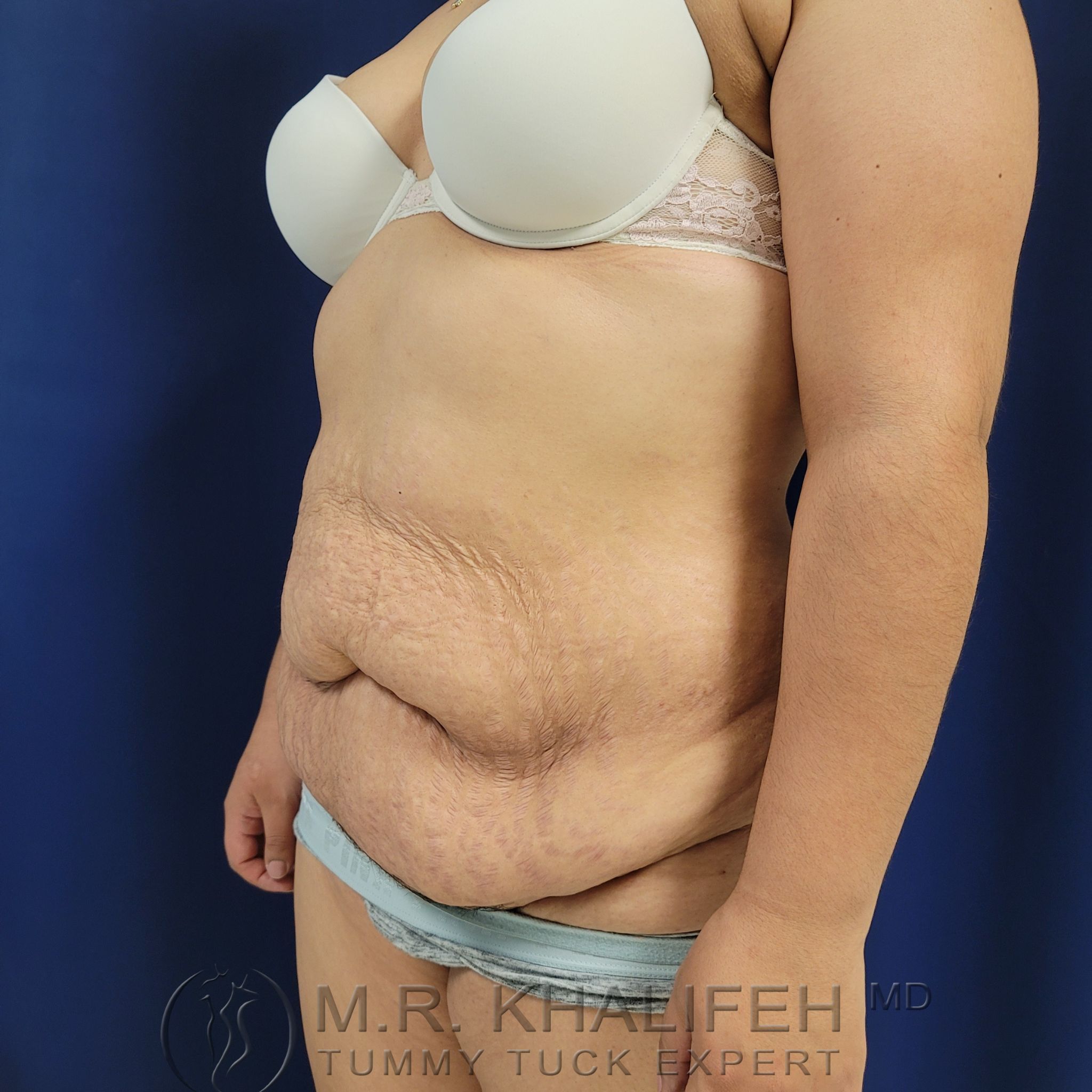
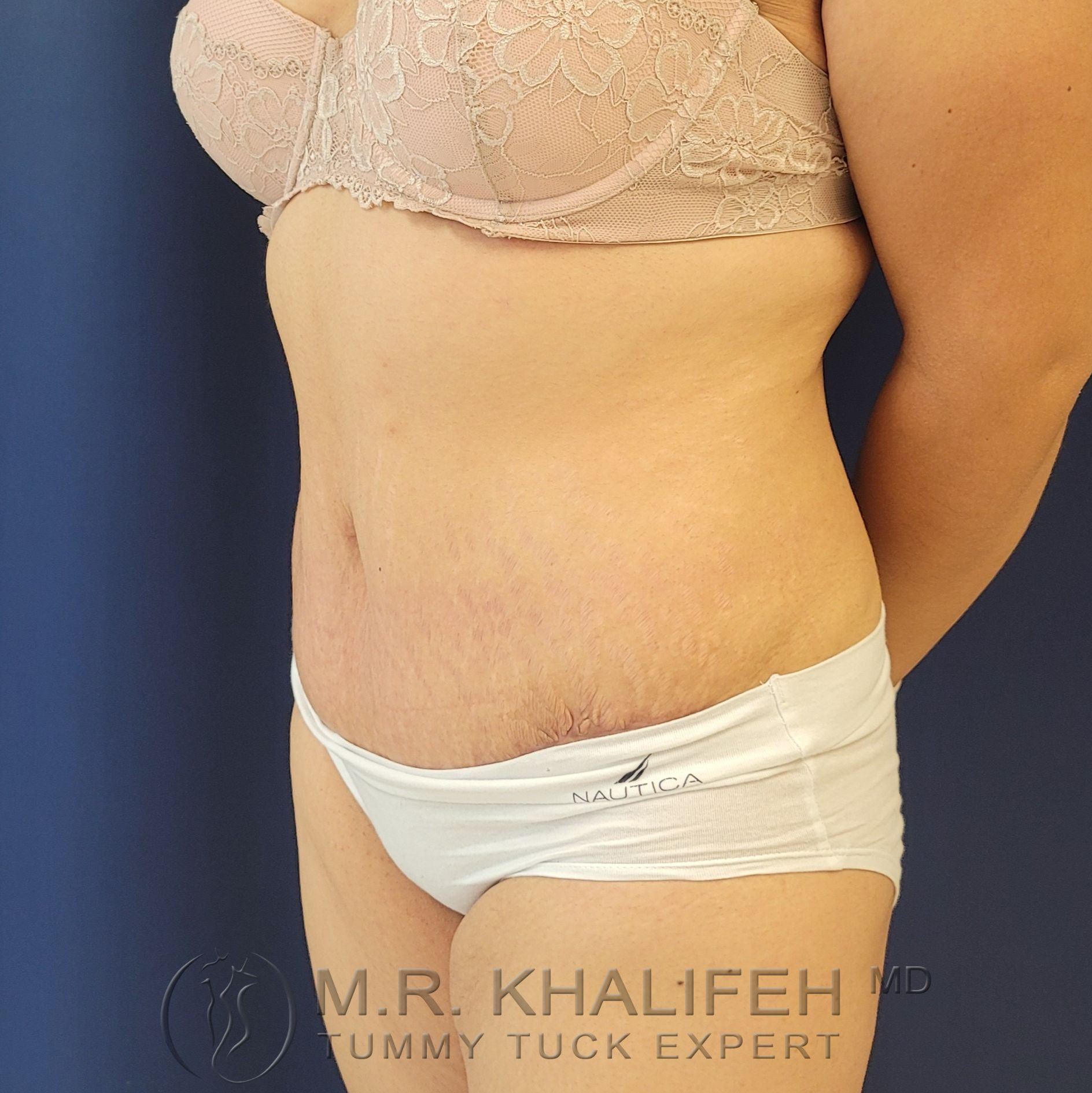
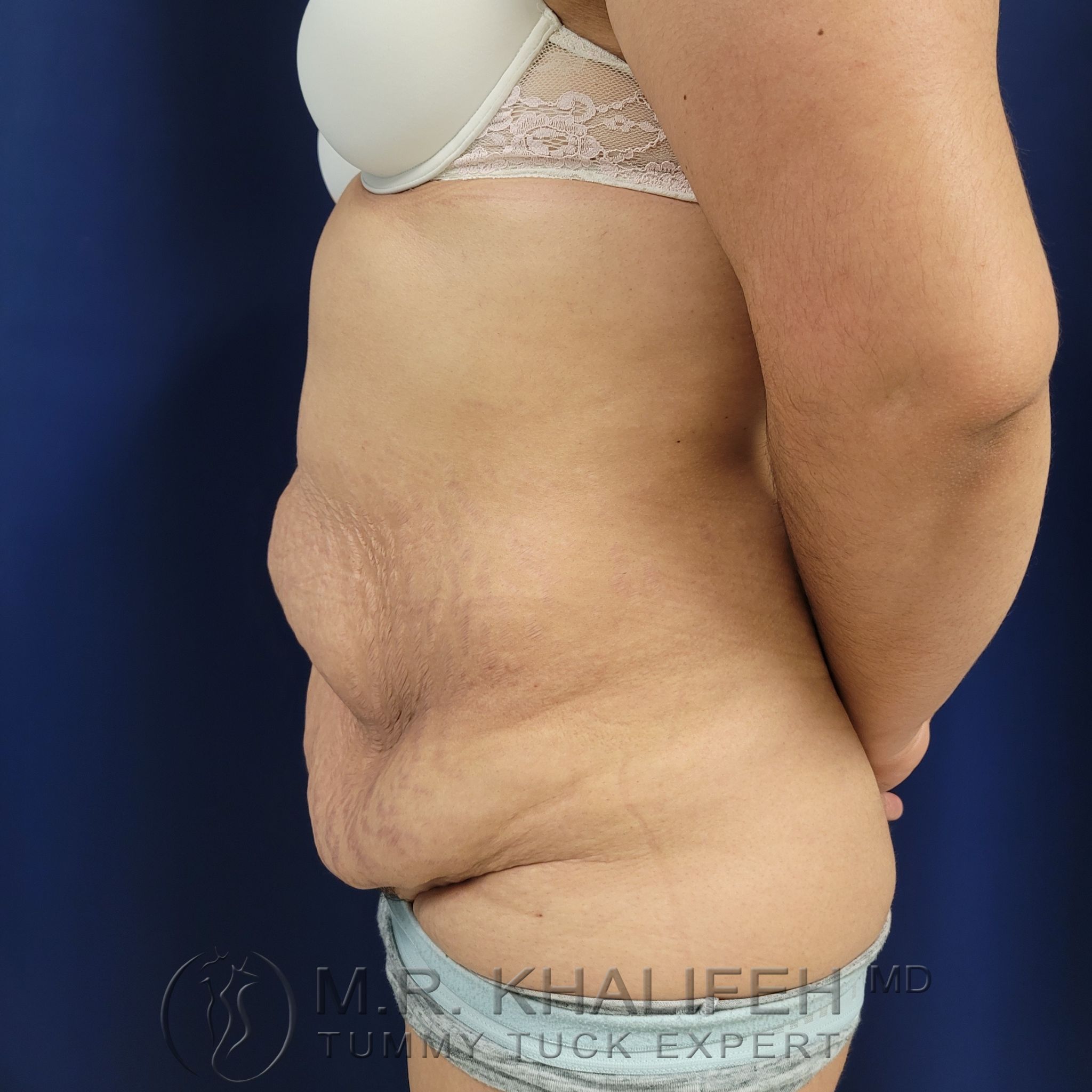
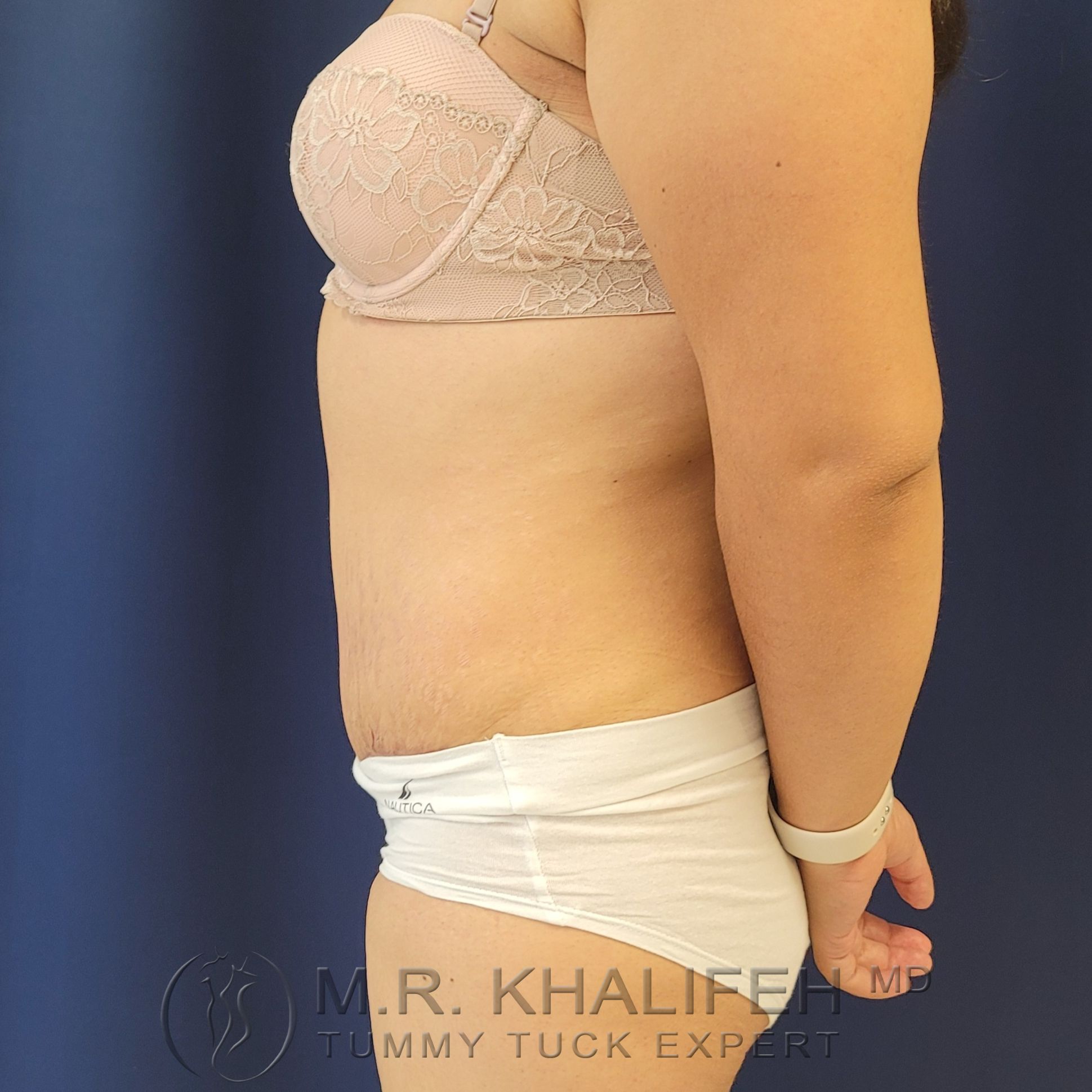
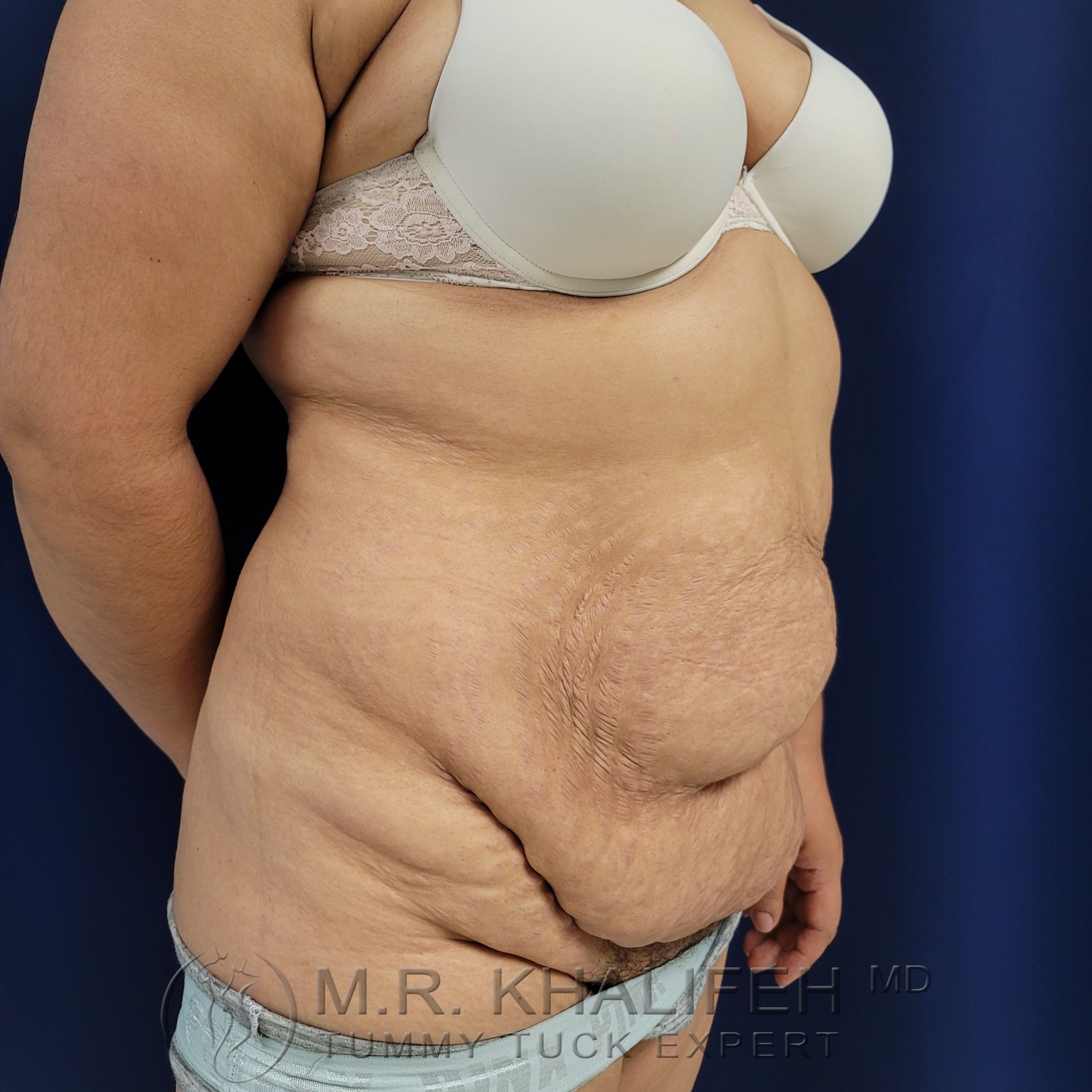
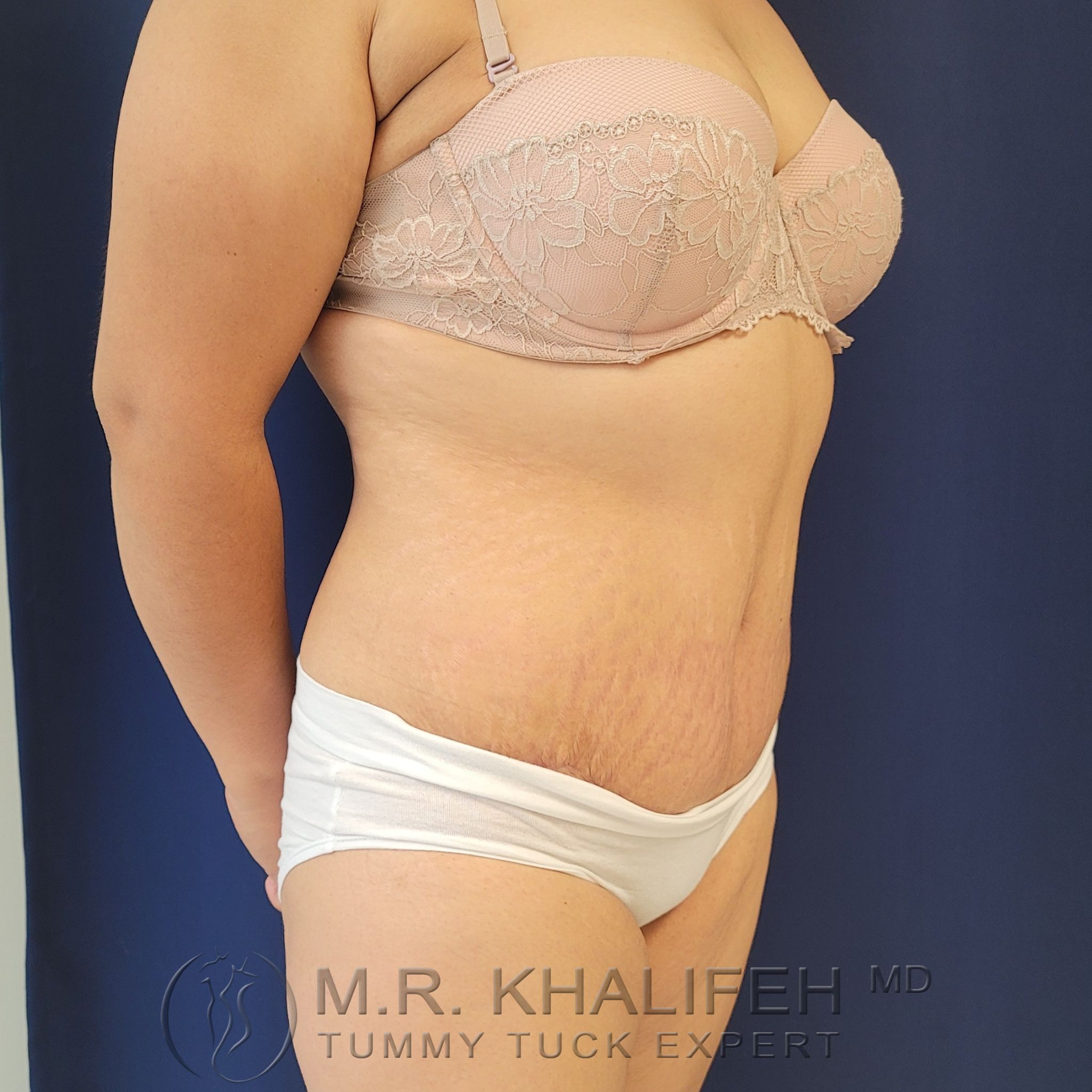

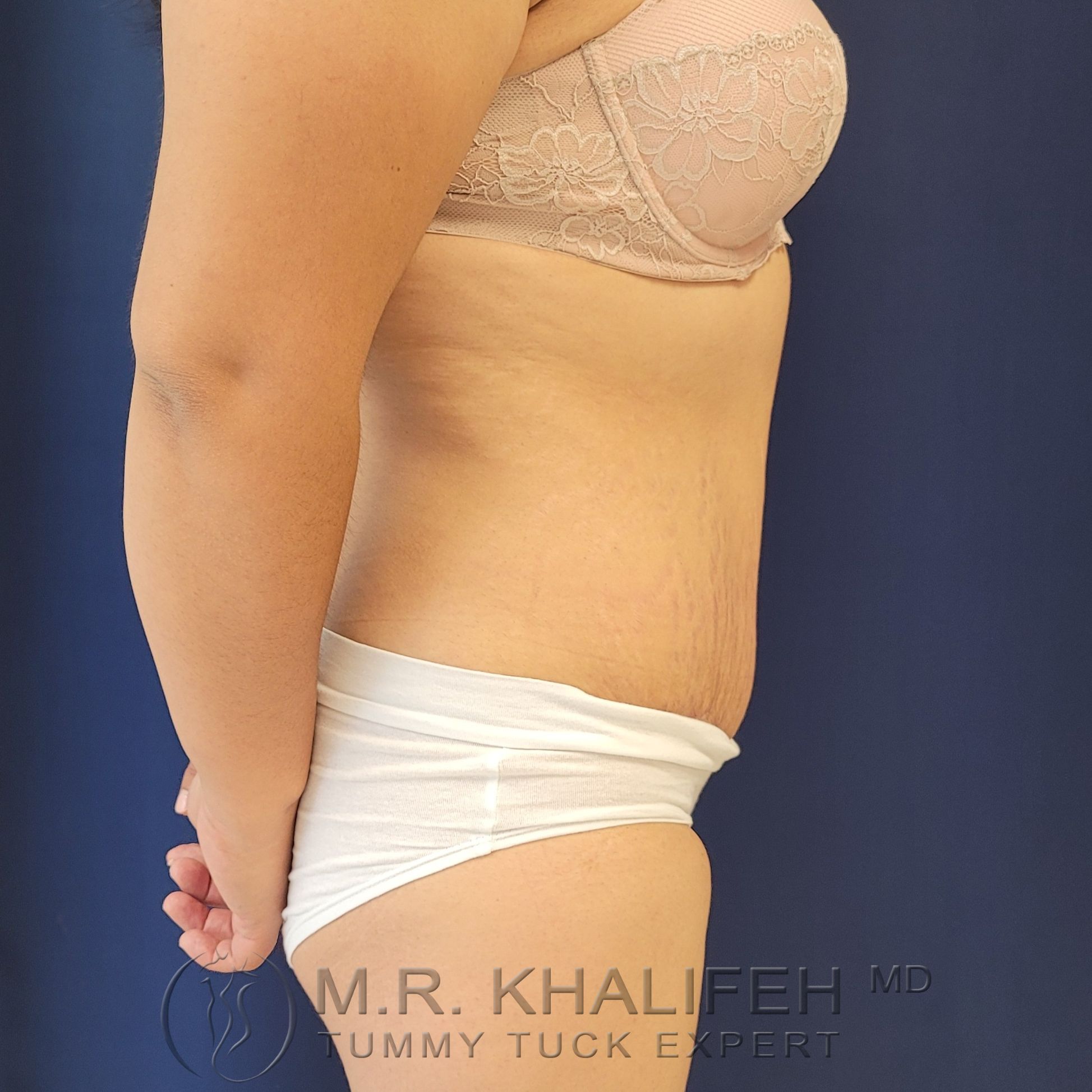

How is a Tummy Tuck Performed?
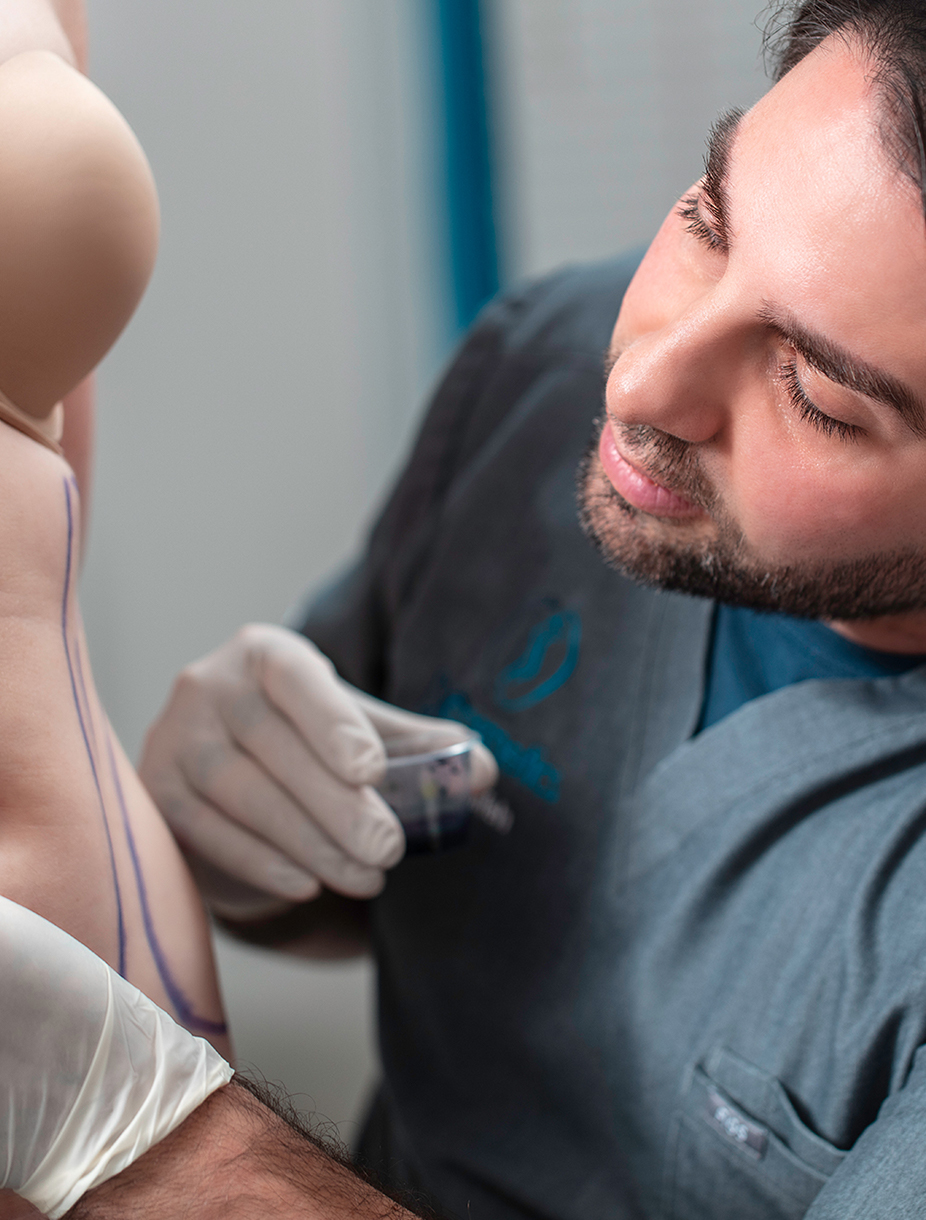
A standard abdominoplasty surgery takes approximately two to three hours to perform. It is often combined with liposuction to produce a beautifully sculpted waistline. The surgery addresses the interface between the fat and the muscles, elevating the skin and fat off muscles in the pubic area, extending to the rib cage. The navel is left attached to the abdominal wall muscles.
The second step involves tightening the underlying muscles to create a firmer abdominal structure. The third step is the precise excision of excess skin and fat. The fourth step is a reapproximation of the skin, an advanced surgical technique to minimize scarring. A surgical drain is left in place to allow for the shedding of excess fluid during the early stages of healing. The final step involves the recreation of the umbilicus (relocating the belly button) placed in the perfect location at the lower-midpoint of your abdomen.
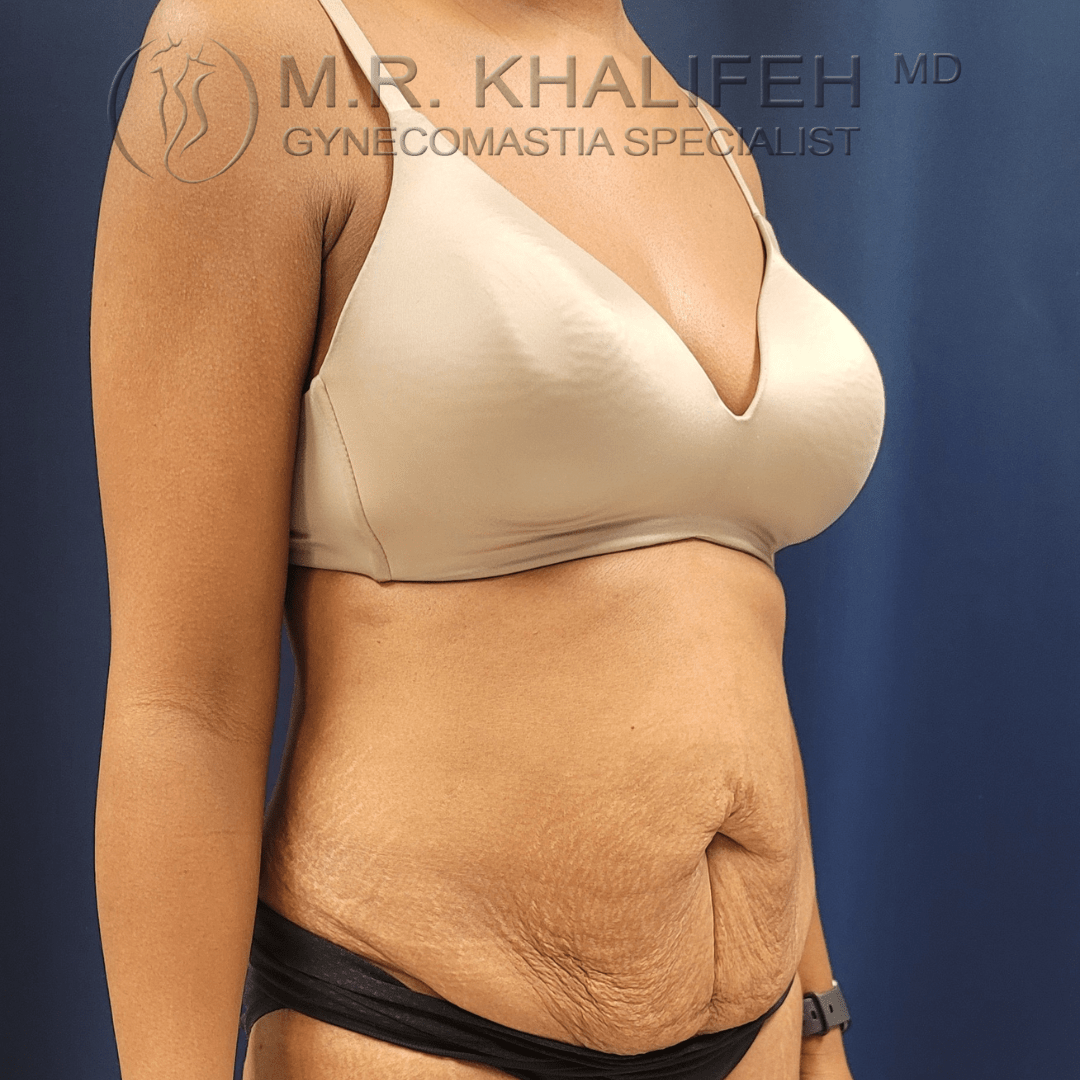
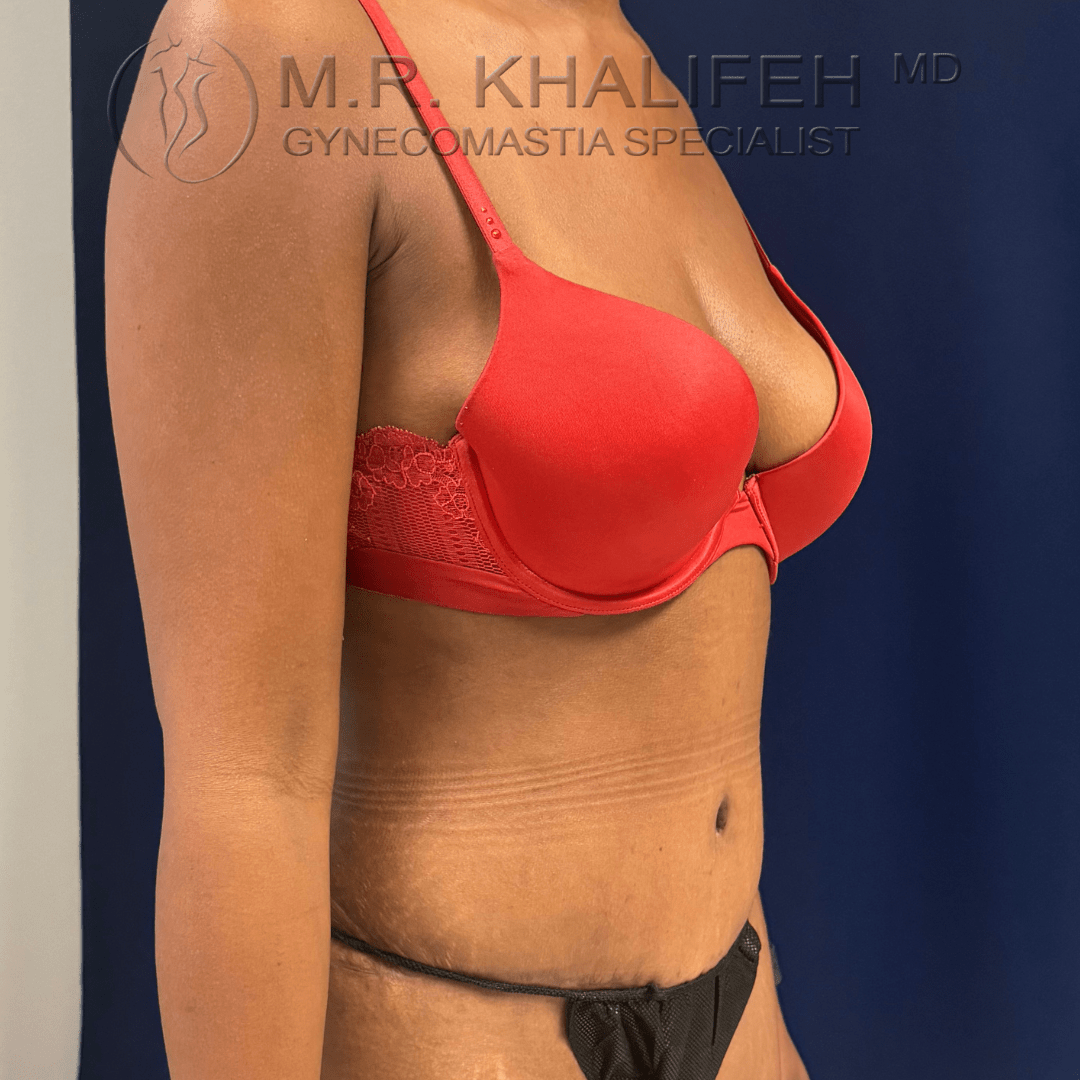
Take the time to review real-world “before and after” images of patients who have had tummy tuck surgery from Dr. Khalifeh. The first step in restoring a sculpted, firm abdomen is to schedule a private consultation.

Contact us
We offer in person consultations from our Tyson’s Virginia Office and Columbia, Maryland Office, as well as virtual consultations. Please contact us and we can help you set up an evaluation with Dr. K.
Please feel free to call or e-mail us BELOW!

Why choose DCcosmetics for a tummy tuck?
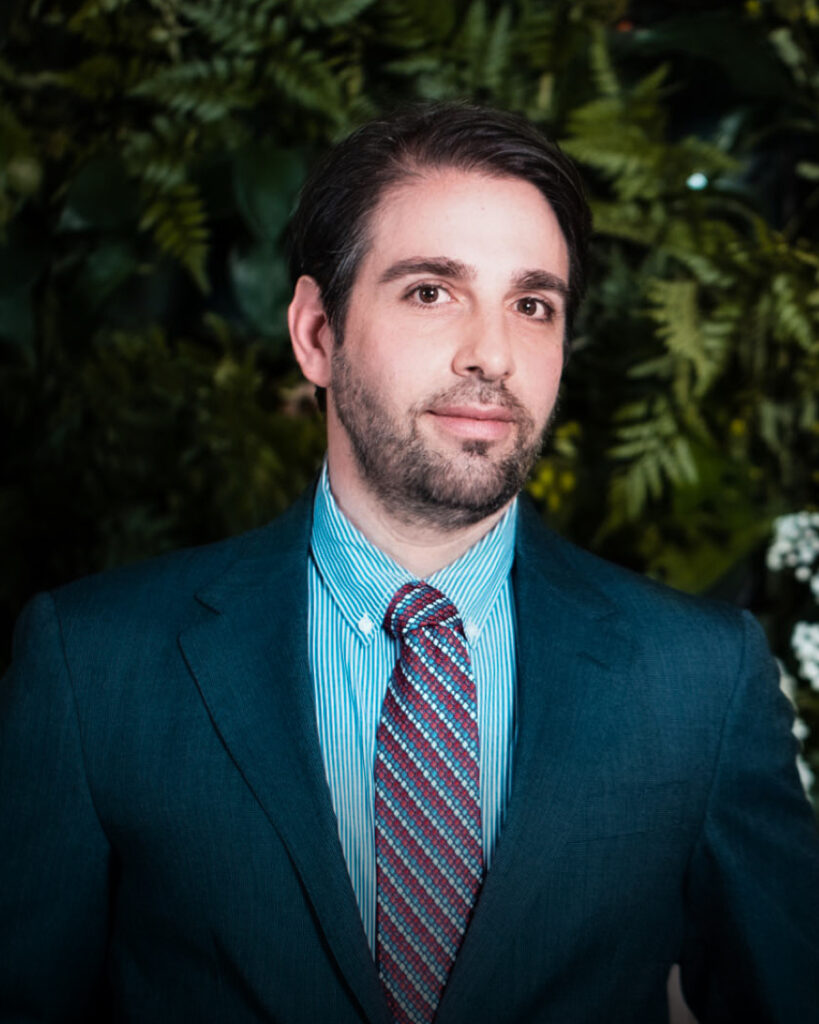
Dr. Khalifeh is a highly trained and board certified plastic surgeon. He was raised in the Baltimore area, and graduated Summa Cum Laude from the University of Pennsylvania and Alpha Omega Alpha from Vanderbilt School of Medicine in Tennessee. He then trained at the prestigious Johns Hopkins University, where he also served as an Assistant Professor. In addition to running his successful private practice, he serves in the United States Navy Reserves .
He has a long and proven track record with natural tummy tuck procedures. He has performed hundreds of complicated body contouring procedures combining his keen artistic sense with sound surgical practices to achieve the most natural results for his patients.
Dr. Khalifeh treats each patient as an individual with their unique sets of goals and expectations. Instead of following through with a cookie-cutter treatment template, he will discuss your specific concerns and goals to curate a personalized treatment plan. He doesn’t aim to establish an arbitrary vision of universal aesthetics but rather use his training and expertise to provide the best aesthetic results as per your goals and anatomy.
Video Testimonial - Tummy Tuck
Skin removal during tummy tuck surgery
A big goal of tummy tuck surgery is tightening the abdominal skin. A large portion of the excess lower abdominal skin is slated for removal. After the abdominal muscles are repaired and tightened, excess skin is removed. Dr. Khalifeh may use liposuction to remove excess fat before suturing the area.
Tightening the abdominal muscles
As we age, our abdominal muscles become looser. During your tummy tuck procedure in Washington DC, Dr. Khalifeh will remove any pockets of excess fat. He will also remove extra skin and tighten lax abdominal muscles to create a firm, sculpted look. Loose or split abdominal muscles are repaired to create a toned, firm appearance, and the waistline is slimmed.
Removing stretch marks during tummy tuck (abdominoplasty)
If you have stretch marks, Dr. Khalifeh may be able to improve or even eliminate their appearance during the skin removal process of your tummy tuck procedure. Any of your stretch marks that are located a little below your navel can usually be removed. Many times, any remaining stretch marks will appear less prominent after your tummy tuck procedure.
Naval sculpting and reattachment
The majority of tummy tuck surgeries require a repositioning of the navel. This leaves your abdomen looking more natural. A new navel may be sculpted, or the existing navel is relocated to the most attractive, natural position.
Closing the incisions
Once your surgery is complete, Dr. Khalifeh will suture your incisions. Often, a surgical drain will be placed to speed the healing process and limit any pain from fluid buildup under the skin. Your abdomen will be protected with a compression garment to minimize bruising and swelling and support the tissues so they heal smoothly.
Tummy tuck recovery
Depending on the tummy tuck technique, the recovery time can range from one to four weeks.
- You should expect some bruising and tenderness. You will need at least one week off work and may need longer.
- You should avoid nicotine during your recovery period as it inhibits the healing process.
- It takes up to three months to recover fully from your tummy tuck procedure.
- Avoid any vigorous physical motions during healing.
- What Scars Can Be Expected From a Tummy Tuck?
The scar from a tummy tuck abdominoplasty typically goes from hip bone to hip bone is placed low on the abdomen so they are hidden, even when wearing underwear or a swimsuit. Click here for a page about tummy tuck scarring.
- What Are the Risks of a Tummy Tuck?
A tummy tuck is a surgery, and like all surgeries, has risks. A tummy tuck, when performed on a healthy, non-smoking patient, by a skilled, board-certified plastic surgeon, is a very safe procedure. The common risks include bleeding, infections, scarring at the incisions, seroma, hematoma, skin loss, sensation loss, and belly button necrosis. Major surgical risks include reactions to anesthesia, heart problems, lung problems, clots, arrhythmias, and some other more serious complications. Preoperative testing and a full medical evaluation may be required in determining whether you are a safe candidate.
- Planning tummy tuck surgery
Dr. Khalifeh will evaluate your medications, including blood thinners if you are planning on undergoing a tummy tuck in his practice. Your medications may need to be altered before your surgery to avoid the risk of excessive bleeding or deep vein thrombosis (blood clot in the legs). The changes in medications will also be necessary if you are planning to undergo a mommy makeover, a series of procedures to restore your pre-baby body, typically including a tummy tuck.
Smartlipo vs. a Tummy Tuck: Which is Right For Me?
Many women who have been left with excess fat on the abdomen after having children may consider Smartlipo, a minimally invasive form of liposuction. Smartlipo can produce beautiful results, but if you have excess stretched skin and tissue, Smartlipo alone cannot achieve the slimming, firming, restructuring outcome of tummy tuck surgery. During our consultation, we will evaluate you for any options that are available to meet your goals.
FAQ
- What anesthesia is administered for a tummy tuck?
A traditional tummy tuck procedure may be performed using intravenous sedation (twilight sedation) or general anesthesia, although general anesthesia is the most common form of anesthesia.
A belt lipectomy/body lift is performed in a hospital, under general anesthesia. Complete sedation is needed, no matter what form of tummy tuck procedure is being performed, to ensure the abdominal muscles remain relaxed during surgery. This allows Dr. Khalifeh to complete the tummy tuck procedure more quickly. However, Dr. Khalifeh may use local anesthesia on occasion when performing a mini tummy tuck procedure.
- Am I a Candidate for a Tummy Tuck?
If you have at least one of the following conditions, you are likely an ideal candidate for a tummy tuck procedure:
- Sagging or excess skin in the abdomen
- Weakened or separated abdominal muscles
- Excess fat on your abdomen
To be safe for surgery you should be:
- In good general health
- At ideal weight or at least weight stable (not gaining or trying to lose weight)
- No future pregnancies planned
- How long before I can return to my exercise program, or having sex?
You will need some patience, as you cannot return to exercise for four to six weeks, although you will likely feel well enough to return to work or social activities within seven to ten days. You will have to refrain from sex for about three to four weeks to ensure your incisions have fully healed.

Dual Board Certified Plastic Surgeon
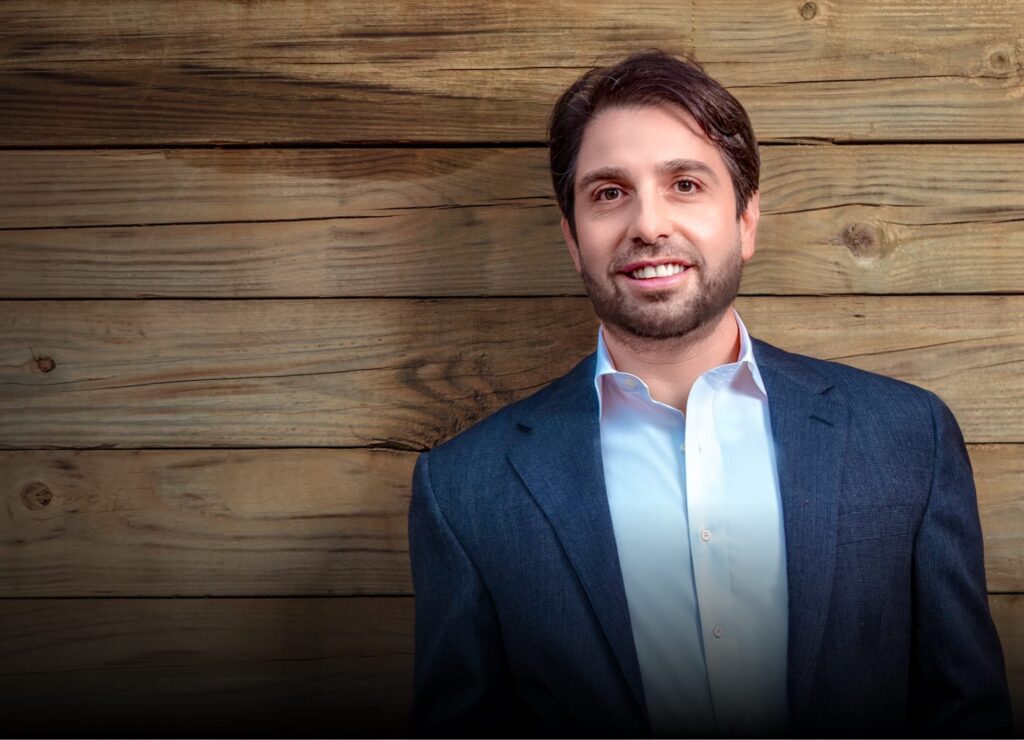
Marwan Khalifeh, MD




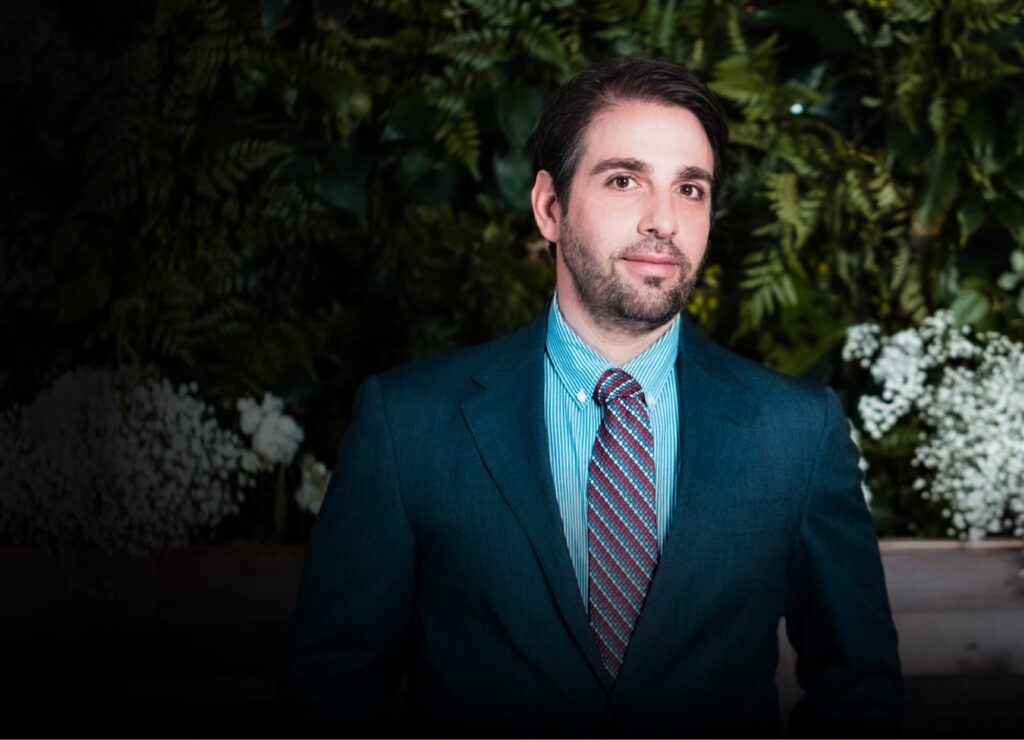
Award-Winning Plastic Surgeon
Awards & Recognition


Researcher, Author, and Speaker
Research & Distinctions