










Pilonidal Disease: Comprehensive Evaluation & Advanced Surgical Treatment


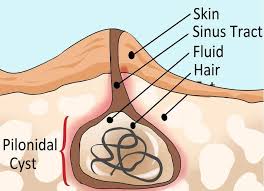
What Is Pilonidal Disease?
Surgical Treatment Options
1. Excision of Pilonidal Disease
The diseased tissue, sinus tracts, and inflamed skin are surgically removed. Depending on the case, closure may be performed immediately or staged.
2. Off-Midline Closure Techniques
Closing the wound away from the midline cleft reduces moisture, friction, and hair accumulation—key factors in recurrence.
3. Flap Reconstruction Procedures
For complex, recurrent, or extensive disease, flap surgery is often the best option. These advanced techniques reshape the area to flatten the cleft and prevent future disease.
Common flap procedures include:
- Cleft lift (Bascom procedure)
- Limberg (rhomboid) flap
- Other rotational or advancement flaps as appropriate
Flap surgery offers:
- Lower recurrence rates
- Faster healing
- Improved long-term comfort
- Better hygiene and skin durability

Why Choose Our Practice?
- Experience with complex and recurrent pilonidal disease
- Collaboration with colorectal surgery specialists
- Expertise in advanced flap reconstruction
- Focus on durable healing and low recurrence
- Insurance-based care
Schedule a Consultation
Call us today to schedule an appointment