









Male Breast Reduction


Custom Gynecomastia Surgery
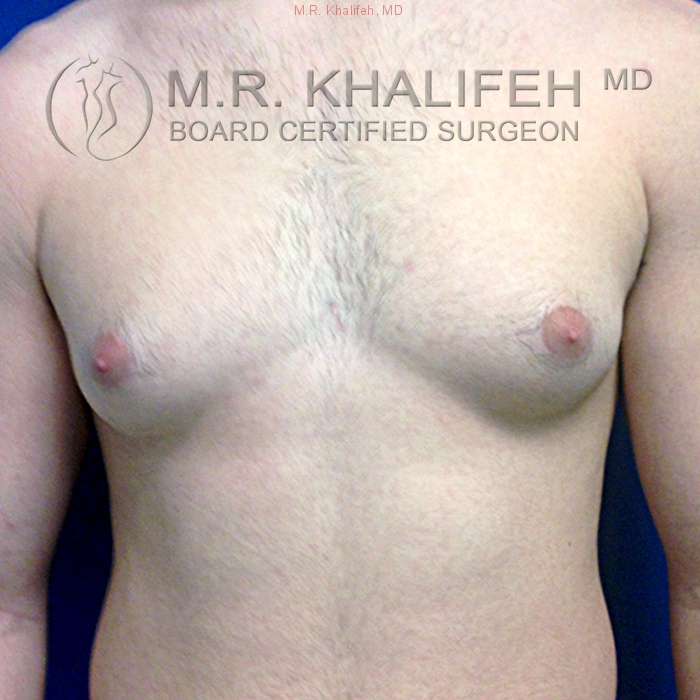
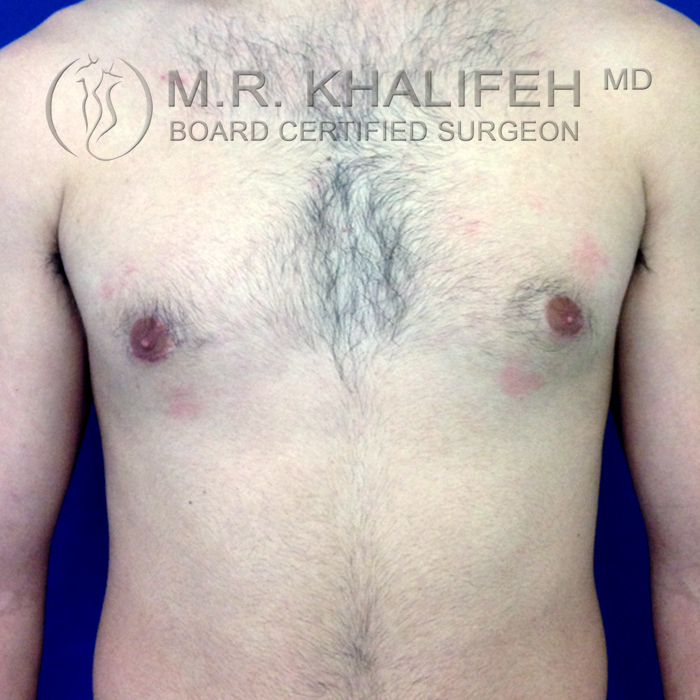
What is gynecomastia?
Most gynecomastia is idiopathic, meaning that no cause for the condition can be isolated. Enlarged male breast tissue typically starts early in life and persists. Most men do not get treatment until later in life when they are financially independent, as the majority of insurance plans do not cover male breast reduction.
All men have glandular tissue, which is supposed to involute (gland cell death and tissue remodeling). In gynecomastia, this male glandular tissue persists and even grows. Ultrasounds to confirm the presence of glandular tissue as well as some hormonal tests may be necessary, but in many cases, a clinical diagnosis involving palpation and history is sufficient.
In cases where the condition has not changed for years, and the treatment is for cosmetic and confidence concerns, a medical workup may not be necessary. There are two forms of gynecomastia affecting the appearance of male breasts:
- True gynecomastia: True gynecomastia is when a man suffers from enlarged glandular tissue that creates breast-like tissue growth on their chest
- Pseudo-gynecomastia: In some cases, men suffer from a buildup of fatty tissue in their chests but don’t have the underlying enlarged glandular tissue.
Gynecomastia may be caused by hormonal imbalances, including natural hormone changes, medications, prescription drugs, recreational drugs, and alcohol.


How much does male breast reduction cost?
For the majority of cases, the pricing will range between $6500-$8500 when done under local anesthesia in the office.

Benefits of gynecomastia treatment
Following your gynecomastia treatment at our office, you may experience:
- An increase in your self-confidence, which raises your self-esteem
- Increased comfort wearing fitted clothing
- Improvement in the balance of the shape and size of your chest
Recovery after gynecomastia treatment
Call us today
FAQ
- Will I have scars?
When excess glandular tissue is surgically removed, it requires incisions. The incisions are carefully placed so the surgical scars, once healed, are almost invisible.
- How old do you have to be to undergo gynecomastia treatment?
We recommend waiting until you are at least 18 years old, and the hormonal changes of puberty have ended, though in some cases it may make sense to undergo this procedure at a younger age.
- Does health insurance cover gynecomastia treatment?
Because gynecomastia treatment is considered cosmetic, most health insurance policies will not cover it.